Right Palm Itching Meaning: What Palmistry Says About Money, Luck and Your Future

Right Palm Itching Meaning: What Palmistry Says About Money, Luck and Your Future
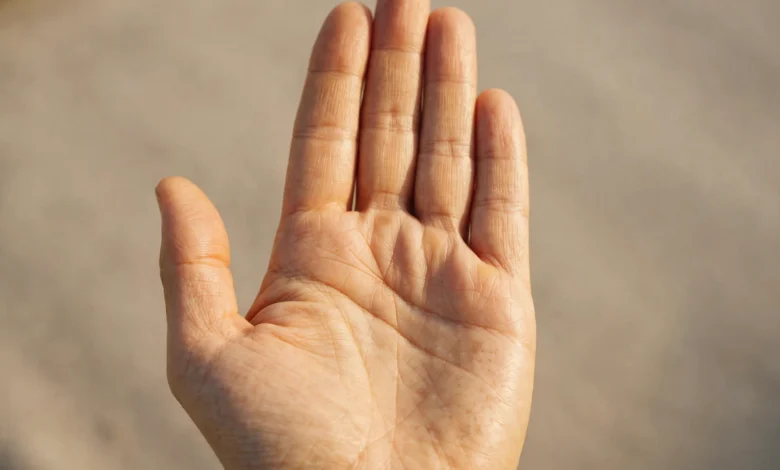
In palmistry, an itchy right palm is read as a sign that money is on its way to you, because the right hand is the active hand, the hand that gives, works and receives, and an itch there is said to mean that it is about to receive something. That is the short answer people have passed down for generations, and it is why so many people smile when their right palm starts to tingle. Palm readers go further than the simple money omen, though: they look at where on the palm the itch sits, whether you are right-handed or left-handed, and what else is happening in your life, before they say what the itch means. This article reads the right palm itching meaning through palmistry first, then looks at the money beliefs behind it around the world, and finally at the ordinary reasons a palm can itch, so that you can enjoy the folklore without mistaking a skin problem for a fortune.
What Does Palmistry Say About an Itchy Right Palm?
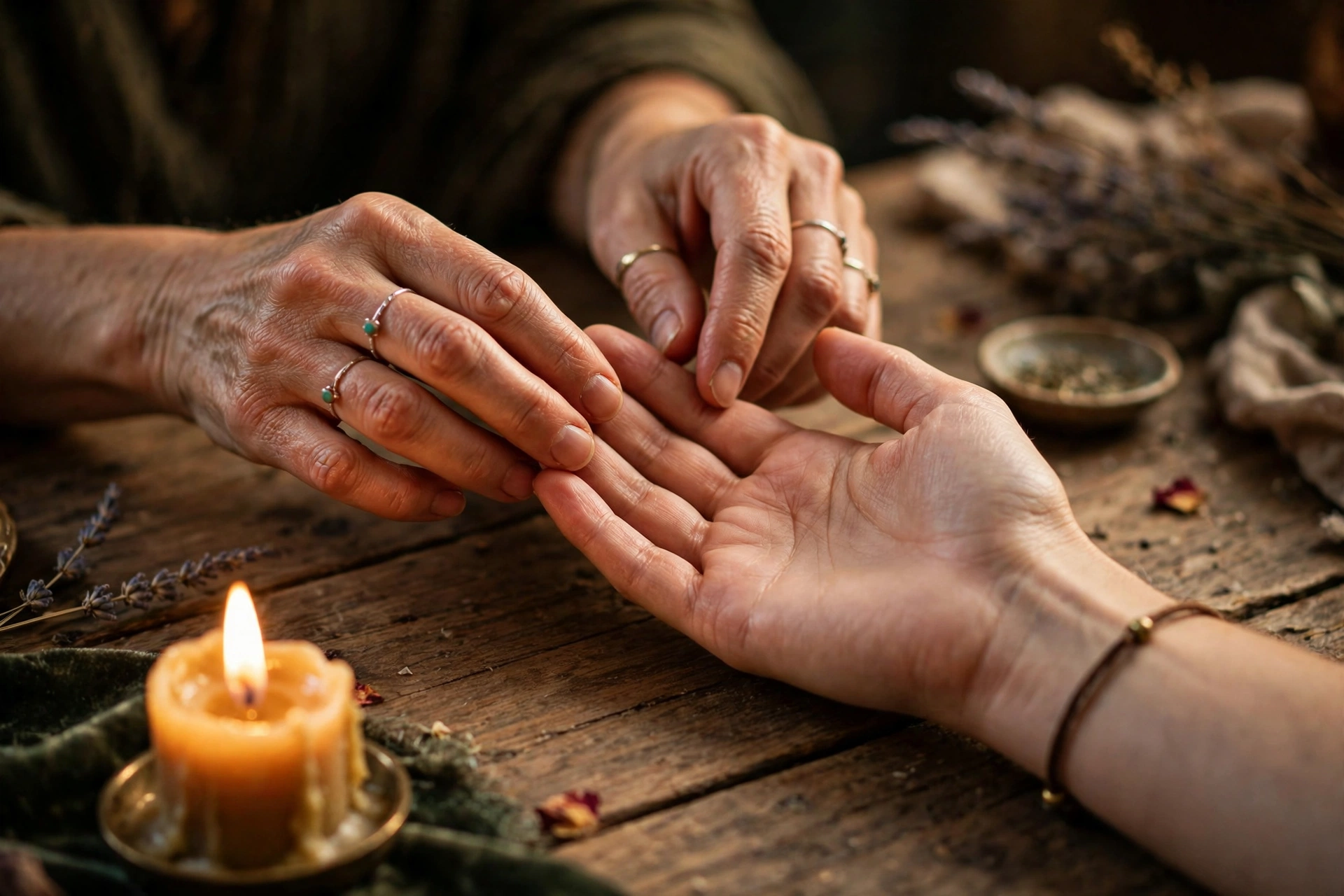
Palmistry, also called palm reading or chiromancy, is the practice of reading a person’s character and future from the lines, mounts and shape of the hand, and in that tradition an itch is treated as a message rather than a random sensation. Palmists say that when the right palm itches, the hand is stirring, and a stirring hand means movement in your life, most often movement of money. The classic reading is that money is coming in, perhaps a pay rise, a refund, a gift, a win, or an unexpected payment, and the itch is the hand’s way of announcing it before it arrives. Some palmists add a condition: the omen is strongest when the itch comes out of nowhere, with no rash, no dry skin and no obvious cause, because then there is nothing ordinary to explain it. Others read the intensity as a clue, saying that a gentle tingle means a small sum and a strong, persistent itch means a larger one. None of this is science, and palmistry itself is a folk tradition rather than a proven method, but the reading has survived for centuries because it gives people a hopeful story to attach to an everyday sensation.
Why Is the Right Palm the Money Hand in Palmistry?
The right palm is the money hand in palmistry because of what the right hand represents in the tradition, and understanding that explains why the omen belongs to the right side at all. That is the core of the right palm itching meaning in palmistry: the active hand receives. In palmistry the right hand is the active hand for most people: it is the hand you write with, shake hands with, pay with and work with, and it shows what you are doing with your life right now, your choices, your ambitions and your current path. The left hand, by contrast, is read as the passive hand, showing what you were born with, your natural talents and your potential. Money is something you earn, receive and spend through action, so it belongs to the active hand, and an itch on the right palm is therefore read as money in motion towards you. For left-handed people, some palmists swap the reading and treat the left hand as the active one, which is worth remembering if you are left-handed and the usual reading does not fit. The idea also connects with an old belief found in many cultures that the right side is the fortunate side, the side of giving and receiving, while the left side is associated with spending and loss.
Where on the Palm Does the Itch Matter?
Palmists do not treat the whole palm as one place, and where the itch sits is said to change the meaning. An itch in the centre of the palm is the classic money sign, and it is the one most people mean when they talk about an itchy right palm. An itch on the fleshy mount at the base of the thumb, called the Mount of Venus, is read by some as a sign about love and family rather than money, because that mount is linked to affection and relationships. An itch near the base of the index finger, the Mount of Jupiter, is sometimes read as a sign about ambition, leadership and career, while an itch on the Mount of Mercury under the little finger is linked by some readers to business, trade and clever deals. An itch along the Life Line or the Fate Line is read by a few palmists as a sign that a change is coming to the part of life that line represents. These are folk distinctions, not rules, and different palmists will give you different answers, but they show why a palm reader will ask you to point to the exact spot before they say what the itch means.
Right Palm vs Left Palm: What Is the Difference?
The difference between an itchy right palm and an itchy left palm is the heart of the whole belief, and the two sides are said to mean opposite things. In the most common version of the tradition, an itchy right palm means money is coming in, while an itchy left palm means money is going out, perhaps a bill, an expense, or a loss. That is why some people rub an itchy left palm on wood or keep it still, hoping to stop the money from leaving, while they welcome an itchy right palm and rub it gently as if to encourage the money to arrive. In palmistry the contrast follows the active and passive hands: the right hand receives, the left hand gives. Other traditions reverse the meaning, particularly in parts of India and Eastern Europe, where some say an itchy right palm means you will spend money and an itchy left palm means you will receive it, so the omen depends on where you learned it. If you are left-handed, some palmists also swap the hands, treating your dominant hand as the receiving one. The safest way to enjoy the belief is to treat it as a story rather than a prediction, and to notice that whatever the version, the right palm is almost always the lucky one in Western folklore.
The Money Omen Around the World
The idea that an itchy palm means money is coming is found in many cultures, and each one adds its own detail to the story. In Britain and Ireland, the old saying is that an itchy right palm means money is on its way, and some people rub the palm on wood for luck, a habit connected to the older practice of touching wood to make a wish come true. In parts of India, palm itching is linked to the goddess Lakshmi, who represents wealth and fortune, and an itchy right palm is taken as a sign that she is visiting. In Hungary and some Slavic traditions, an itchy right palm means you will receive money, while an itchy left palm means you will pay it out, and people sometimes scratch the itchy palm on their pocket to keep the money close. In some African and Caribbean traditions, an itchy palm is read as a sign of good fortune coming through the hands, and the hand you use most is the one that matters. What all of these versions share is the right palm itching meaning at its heart: the hands are where wealth passes through, which makes sense in a world where money was once always counted, handed over and received by hand.
What Should You Do When Your Right Palm Itches?
If your right palm itches and there is no rash or irritation, folk tradition has a small set of things people do, and they are harmless fun as long as you treat them as custom rather than as magic. The most common is to rub the palm gently, as if welcoming the money in, and some people rub it on wood, on their pocket, or on their wallet, in the belief that the gesture seals the luck. Others make a wish while the itch lasts, or note the time and the day, because some traditions attach different meanings to different days of the week. A practical approach is simpler: notice whether the itch has an ordinary cause first, such as dry skin, soap, cold weather or a new hand cream, and deal with that before reaching for a superstition. If the skin looks normal and the itch passes quickly, there is no harm in enjoying the old belief and treating it as a small moment of optimism. If the itch keeps coming back, spreads, or comes with a rash, the right response is not a ritual but a pharmacist or a doctor, because that is a skin issue, not a fortune.
When an Itchy Right Palm Is Just an Itch
Most itchy palms have ordinary causes, and knowing them keeps a pleasant superstition from hiding a problem that needs attention. Dry skin is the most common cause, especially in winter or after frequent hand washing, and it usually improves with a fragrance-free moisturiser used after every wash. Contact irritation from soaps, detergents, cleaning products or a new hand cream can make palms itch, and the fix is to stop using the product and switch to a gentle alternative. Skin conditions such as eczema, contact dermatitis and psoriasis can also affect the palms, and these usually come with redness, flaking, cracking or small blisters alongside the itch. Less often, an itchy palm can be a sign of an allergy, a fungal infection, or a reaction to a medicine, and a persistent itch that does not respond to moisturiser deserves a proper look. The Cleveland Clinic describes itching, known medically as pruritus, as a common symptom with many causes, and advises seeking medical care when an itch is severe, lasts more than two weeks, or comes with a rash, swelling or other symptoms. If your right palm itches and the skin looks and feels normal, enjoy the folklore; if it does not, treat the skin first.
Conclusion
The right palm itching meaning in palmistry is a hopeful one: the active hand is stirring, and money is said to be on its way to you. The tradition is richer than a single omen, because palmists read the exact spot on the palm, the difference between the right and left hands, and the customs of different cultures, from rubbing the palm on wood to keeping it close to your pocket. None of it is proven, and it should never be treated as a prediction or a reason to spend money you do not have, but as a piece of folklore it has survived because it turns an ordinary tingle into a small moment of optimism. Check the skin first, enjoy the story second, and if the itch persists or the skin looks wrong, let a pharmacist or a doctor have the last word.
Does an itchy right palm always mean money is coming?
No, the right palm itching meaning does not guarantee money is coming, because the money reading is a folk belief, not a fact. In palmistry and in many cultures, an itchy right palm is traditionally read as a sign that money is on its way, but there is no evidence that an itch predicts income. Most itchy palms have ordinary causes such as dry skin, soap or a skin condition. Treat the money omen as a pleasant tradition, not as a guarantee.
What does it mean if my right palm itches at night?
In folk tradition, an itchy right palm at night is read the same way as one during the day: money or good fortune is coming. Some traditions add that an itch at night means the news will arrive the next day, but there is no consistent rule. In practice, palms often itch more at night because the skin is dry, the house is warm, or you notice sensations more when you are lying still, so moisturiser before bed is usually the more useful response.
Which hand is lucky in palmistry?
In Western palmistry the right hand is usually considered the lucky and active hand, because it is the hand most people write, work and pay with, and it shows what you are doing with your life now. The left hand is read as the passive hand, showing what you were born with. For left-handed people, some palmists swap the reading and treat the left hand as the active one. The lucky hand therefore depends on which hand is dominant for you and which tradition you follow.
Should I scratch an itchy palm?
It is fine to rub an itchy palm gently, and folk tradition even encourages it as a way of welcoming good luck. Avoid scratching hard or breaking the skin, because that can make the itch worse and lead to infection, especially if the skin is already dry or cracked. If the itch is caused by dry skin, a fragrance-free moisturiser will help more than scratching. If scratching does not stop the itch, or the skin becomes red, sore or blistered, stop and seek advice from a pharmacist or a doctor.