
Meditation Classes Near Me: How to Find the Right One
Finding meditation classes near me starts with knowing what kind of meditation you want to learn, because the word meditation covers many different practices, from secular mindfulness to traditional Buddhist techniques, and the right class depends on your goals. The best places to look are community centres, yoga studios, meditation centres, and online directories of qualified teachers, and trying a single session before committing to a course is the smartest way to find a class that suits you. This guide explains the main types of meditation class, where to find them, what to look for in a teacher, what happens in a typical session, and how much classes usually cost.

Meditation has become one of the most popular wellbeing practices in the world, and research suggests it can help with stress, focus, and sleep, although it is not a substitute for medical treatment when that is needed. Many people start meditating because they feel stressed or anxious, while others are looking for a way to slow down, improve their concentration, or explore a spiritual practice. Whatever your reason, a good class can make the difference between giving up after a week and building a habit that lasts, because learning with a teacher and a group is usually easier than learning alone from an app.
What Are Meditation Classes and Who Are They For?
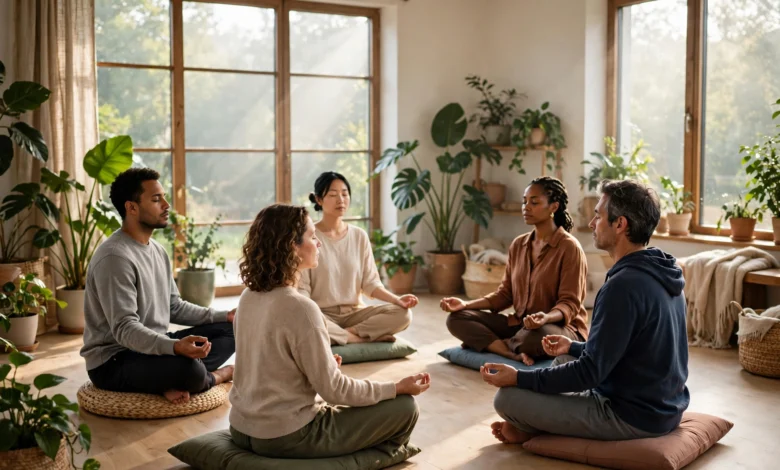
Meditation classes are group sessions where a teacher guides participants through meditation techniques, and they are designed for people of all ages and experience levels, including complete beginners. A typical class includes an introduction to the technique, a period of guided meditation, and time for questions or discussion, and the teacher will explain how to sit comfortably, how to focus your attention, and what to do when your mind wanders. Classes can be held in person at a studio, community centre, or place of worship, or online through a video call, and both formats have their advantages.
Meditation classes are for anyone who wants to learn to meditate, whether they are dealing with stress, looking to improve their focus, or simply curious about the practice. They are particularly helpful for beginners, because a teacher can answer questions, correct common mistakes, and provide structure that is hard to get from a book or an app. People with health conditions should check with their doctor before starting meditation, especially if they have a mental health condition, because meditation is not a replacement for medical treatment. Most classes welcome people of all backgrounds and beliefs, and many are secular, which means they do not require any religious commitment.
What Types of Meditation Classes Can You Choose From?
The main types of meditation classes you can choose from are mindfulness meditation, breath awareness, mantra meditation, and tradition-based practices, and each one has a different focus. Mindfulness meditation, which is the most widely taught style in the West, involves paying attention to the present moment without judgement, and it is often taught in secular settings such as community centres and workplaces. Breath awareness is a simple technique that uses the breath as a focus, and it is often the first practice taught to beginners because it is easy to understand and can be done anywhere.
Mantra meditation involves repeating a word or sound to focus the mind, and it is common in several traditions, while tradition-based classes, such as those offered by Buddhist centres, teach meditation as part of a wider spiritual practice. Some classes focus on a specific goal, such as stress reduction, better sleep, or compassion, while others offer a general introduction to meditation. Before you choose a class, think about what you want from it, because a mindfulness course aimed at stress reduction is very different from a traditional Buddhist retreat, and the right choice depends on your goals, your beliefs, and how much time you are willing to commit.
How Do You Find Meditation Classes Near Me?
The simplest way to find meditation classes near me is to search online directories of meditation teachers and centres, because these list classes by location and let you filter by style, level, and format. The International Mindfulness Teachers Association and similar professional directories list qualified teachers, and many local meditation centres, yoga studios, and community centres advertise their classes on their own websites or on community noticeboards. A general web search for meditation classes in your town or city will usually show several options, and reading reviews and class descriptions can help you narrow down the list.
Community centres, libraries, and places of worship are also good places to look, because they often host low-cost or free meditation groups, and these can be a friendly way to start. Yoga studios frequently offer meditation as part of their timetable, and some gyms and wellness centres include meditation classes alongside fitness sessions. If you cannot find a class nearby, online classes are a good alternative, because they let you learn from a qualified teacher without travelling, and many teachers offer both in-person and online options. When you find a class that interests you, contact the teacher or organiser before you attend, because they can tell you whether the class is suitable for beginners and what to bring.
What Should You Look for in a Meditation Teacher?
A good meditation teacher should have proper training, relevant experience, and a clear, honest approach, and these are the qualities to look for when choosing a class. Ask about the teacher’s training and qualifications, because reputable teachers will have completed a recognised training programme and will be happy to explain their background. Teachers who are members of a professional body, such as the International Mindfulness Teachers Association, have agreed to follow a code of practice, which is a good sign. Experience matters too, because a teacher who has been practising and teaching for several years is more likely to handle questions well and to guide a group effectively.
Beyond qualifications, pay attention to how the teacher communicates, because a good teacher should explain techniques clearly, answer questions patiently, and create a welcoming atmosphere for beginners. Be cautious of teachers who make grand claims, pressure you to pay for expensive courses, or discourage you from asking questions, because these are warning signs. A good teacher will also be honest about what meditation can and cannot do, and they will encourage you to seek medical help if you have a health condition that meditation cannot address. The best way to judge a teacher is to attend a single session first, because you will quickly know whether their style suits you.
What Happens in a Typical Meditation Class?
A typical meditation class starts with a brief introduction, where the teacher explains the technique that will be practised and answers any questions from the group. The teacher will then guide the group through a meditation session, which usually lasts between ten and thirty minutes, although this varies by class, and during the session they will give instructions on posture, breathing, and where to focus your attention. You will usually sit on a chair or a cushion, and the teacher will remind you that it is normal for your mind to wander, and that the practice is to notice this and gently bring your attention back.
After the meditation, there is usually time for discussion, where participants can share their experience and ask questions, and the teacher may offer guidance on how to practise at home. Some classes include a short talk on a topic such as stress, compassion, or mindfulness in daily life, while others focus entirely on the practice itself. You do not need any special equipment for most classes, although comfortable clothing is a good idea, and some centres provide cushions, mats, and blankets. If you are nervous about attending your first class, remember that most people there will have felt the same way, and a good teacher will make sure beginners feel welcome.
How Much Do Meditation Classes Usually Cost?
How much meditation classes usually cost varies widely depending on the location, the format, and the teacher, so there is no single price that applies everywhere. Community classes and drop-in groups are often low-cost or donation-based, because they are run by volunteers or by community organisations, while structured courses at a studio or meditation centre usually cost more, because they include several sessions and materials. Some centres offer free introductory sessions, which are a good way to try a class before committing to a course, and some offer concessions for students, older people, or those on a low income.
Online classes also vary in price, with some offered for free and others charged as part of a course, and the price often depends on whether the class is live or pre-recorded. When comparing prices, look at what is included, because a course that includes several sessions, written materials, and follow-up support may be better value than a single drop-in class. Be cautious of any class that charges a very high price or pressures you to pay for a long course upfront, because reputable teachers will be transparent about their fees and will let you try a session first. The most important thing is to find a class you enjoy and can attend regularly, because consistency matters more than price.
Conclusion
Finding meditation classes near me is a process of deciding what kind of meditation you want to learn, searching directories, community centres, and yoga studios, and trying a single session before committing to a course. The main styles to choose from are mindfulness, breath awareness, mantra, and tradition-based practices, and the right one depends on your goals and beliefs. A good teacher should have proper training, relevant experience, and a clear, honest approach, and they should make beginners feel welcome. Prices vary widely, with community classes often low-cost or donation-based and structured courses costing more, so it is worth checking what is included before you pay. Whether you choose an in-person class or an online one, the key is to start, attend regularly, and be patient with yourself, because meditation is a skill that develops with practice.
Are Meditation Classes Suitable for Beginners?
Yes, meditation classes are suitable for beginners, and most classes are designed with newcomers in mind, because the teacher will explain the technique from the start and guide you through each step. Beginners are welcome in almost all meditation classes, and many teachers offer specific introductory sessions or courses for people who have never meditated before. If you are unsure whether a class is suitable, contact the teacher beforehand and ask, because they can tell you whether the class is aimed at beginners or at experienced practitioners.
Do I Need Any Equipment for a Meditation Class?
You do not need any special equipment for most meditation classes, although comfortable clothing is a good idea, because you will be sitting still for a period of time. Most centres provide cushions, mats, and blankets, and many classes let you sit on a chair if that is more comfortable for you. If you prefer to bring your own cushion or blanket, you are welcome to do so, but it is not required, and a water bottle can be useful for longer sessions.
How Long Is a Typical Meditation Class?
A typical meditation class lasts between 45 minutes and 90 minutes, although this varies by class and by teacher. The guided meditation itself usually lasts between ten and thirty minutes, with the rest of the time spent on introduction, discussion, and questions. Some drop-in classes are shorter, while structured courses may run for a full morning or afternoon, so it is worth checking the timetable before you attend. Some retreats and workshops last a whole day, although these are less common, and the teacher or organiser will always tell you the length of a session in advance so you know what to expect.
Can I Learn Meditation Online Instead?
Yes, you can learn meditation online, and many qualified teachers offer live online classes as well as pre-recorded courses, which can be a good option if there is no suitable class near you. Online classes let you learn from home, which is convenient, although some people find in-person classes more motivating because of the group atmosphere. If you choose an online class, check the teacher’s qualifications and experience in the same way you would for an in-person class, and try a single session before committing to a course.
How Often Should I Attend Meditation Classes?
How often you should attend meditation classes depends on your goals and your schedule, but most teachers recommend attending once a week and practising at home for a few minutes each day. Regular attendance helps you build a habit and gives you the chance to ask questions and receive guidance, while daily home practice, even for just ten minutes, helps the benefits build up over time. Consistency matters more than the length of each session, so it is better to meditate for a short time every day than to attend a long class once a month.
