Ford Transit Connect for Sale: The 2026 Buyer’s Guide to Prices, Trims and What to Check


A Ford Transit Connect for sale is one of the most searched small vans in the UK, because it is the compact van that drives like a car, fits into ordinary parking spaces, and still carries a serious load, which makes it the default choice for tradespeople, couriers and small businesses that need a proper van without the bulk of a full-size Transit. The current UK model is the new-generation Transit Connect, on sale as a 2025 and 2026 model, with a plug-in hybrid petrol and a diesel engine, two wheelbases and three main trims, and prices vary widely by age, mileage and specification, so knowing the range before you start looking will save you both time and money. This guide explains what the Transit Connect is, which engine and trim to choose, what to pay, where to find one, and what to check before you buy.

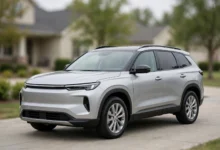
What Is the Ford Transit Connect?
The Ford Transit Connect is Ford’s compact panel van, sitting below the larger Transit Custom in the range, and it is designed for buyers who need a proper load-carrying vehicle that is still easy to drive, park and run in towns and cities. The current UK model is the new-generation Transit Connect, which arrived as a 2024 model and is sold in 2025 and 2026 forms, and it is a thoroughly modern van with car-like handling, a comfortable cabin, modern driver assistance systems and a choice of two wheelbases, the short L1 and the long L2, which changes the load length without changing the width or the driving experience. It is worth noting that in the United States, Ford ended Transit Connect sales after the 2023 model year, so the current van is a European-market model, and UK buyers are shopping in a market where the van is still fully supported with new stock, parts and servicing.
The Transit Connect suits a particular kind of buyer, because it is big enough for a trade or delivery business yet small enough to be a daily driver, and that balance is exactly why it outsells many larger vans among small businesses. A plumber, electrician, courier or florist can carry tools, parts or stock in the back, park in a standard bay, and drive through a city centre without the stress of a large van, while the cabin feels closer to a Focus than to a commercial vehicle, with comfortable seats, a modern dashboard and the kind of infotainment and safety kit that used to be reserved for cars. If your loads fit in a compact van and you value easy driving over maximum volume, the Transit Connect is usually the right size, and if you regularly need more space, the Transit Custom is the step up.
Which Ford Transit Connect Should You Buy? Trims and Engines
The current Ford Transit Connect for sale in the UK comes with two engines that suit very different buyers, and choosing between them is the most important decision you will make. The first is the 1.5-litre EcoBoost plug-in hybrid petrol, producing 150PS, which pairs a petrol engine with a battery that gives an electric-only driving range of up to 72 miles combined, according to Ford’s figures quoted in dealer listings, and it suits buyers who do most of their miles in towns and cities, where the electric range covers a working day and the petrol engine removes any range anxiety. The second is the 2.0-litre EcoBlue diesel, offered with 102PS or 122PS, which suits high-mileage drivers and anyone who regularly covers long motorway distances, since diesel remains the more efficient choice for sustained high-speed work, and both engines are available with automatic gearboxes.
Trims run from Trend through Limited to Active, and the differences are about equipment rather than capability, because every Transit Connect shares the same basic van, while higher trims add comfort and technology. Trend is the working van, with the essentials covered and a sensible price, Limited adds premium touches such as upgraded wheels, better cabin materials and more driver assistance features, and Active brings a more rugged look with SUV-style styling details, which appeals to buyers who want their van to stand out. Both wheelbases are available across the range, with the L1 short wheelbase suiting town work and tight parking, and the L2 long wheelbase adding load length for bulkier cargo, so the right combination is usually obvious once you measure your typical load: choose the PHEV if your miles are urban, the diesel if they are long-distance, and the wheelbase that fits your longest regular load.
How Much Does a Ford Transit Connect Cost?
Prices for a Ford Transit Connect for sale vary widely, and the only honest way to describe them is by the ranges actually seen on the market in November 2026, because a van’s price depends on its age, mileage, engine, trim and condition more than on any single list figure. New vans are the most expensive route, with CarGurus listing the 2026 1.5 EcoBoost PHEV 150 Trend at around £36,240, the 2.0 EcoBlue 122PS Limited automatic at around £34,980, and the Active Flexcab at around £38,580, all before VAT and on-the-road charges, which gives a sense of the new price ladder. Nearly new and used vans are considerably cheaper, with AutoTrader and RAC Cars listings in November 2026 showing 2025 and 2026 examples typically asking between about £16,000 and £36,000 plus VAT, depending on age, mileage and specification, and the cheapest vans are usually higher-mileage diesels while the dearest are low-mileage PHEV Limited models.
The price you actually pay will depend on where you buy and how you pay, because a franchised Ford dealer will charge more than an independent trader but will usually include a warranty, a history check and preparation, while a private sale may be cheaper but comes with no comeback if something goes wrong. VAT matters too, since most commercial van prices are quoted plus VAT, and a VAT-registered business can reclaim it, while a private buyer cannot, which means the same van can cost two very different amounts depending on who is buying it. Always compare the total cost rather than the headline figure, check whether the price includes VAT, ask what warranty is included, and remember that a van priced far below the market range is usually cheap for a reason that will become expensive later.
Where to Find a Ford Transit Connect for Sale
The best place to start looking for a Ford Transit Connect for sale is online, because AutoTrader, CarGurus and RAC Cars all list hundreds of new and used examples across the UK, with photos, specifications, mileage, prices and dealer details, and their search filters let you narrow by engine, trim, wheelbase, price and distance in seconds. Ford’s own website lists new Transit Connect vans and approved used stock through its dealer network, and it is worth checking both the manufacturer’s site and the classified sites, since a van can appear on one and not the other, and franchised dealers often list their best stock in both places. Setting up a saved search with an email alert is the smartest move, because good vans at fair prices sell quickly, and an alert means you see them before they disappear.
Franchised Ford dealers are the safest place to buy a nearly new Transit Connect, since they offer manufacturer-backed warranties, history checks and preparation, and they can also arrange finance, part-exchange and servicing in one visit, while independent van specialists can offer lower prices and a wider mix of stock, including older models that main dealers no longer carry. Private sellers on classified sites and auction platforms can be the cheapest route of all, but they offer no warranty and no comeback, so a private purchase should always include an independent inspection and a history check before you pay. Wherever you buy, check the van in daylight, take a proper test drive, verify the service history, and be wary of any seller who rushes you, refuses an inspection or cannot explain the van’s history.
New vs Used: Which Transit Connect Makes Sense?
Buying a new Ford Transit Connect makes the most sense when you plan to keep the van for many years, value a full manufacturer warranty, and want the latest safety technology, the newest PHEV system and a van with no previous owner, since a new van also lets you choose the exact engine, trim, wheelbase and colour you want rather than accepting what is available. The trade-off is depreciation, because a new van loses a large share of its value in its first year, and for a working vehicle that will cover high miles, that first-year loss can be substantial, which is why many businesses look at nearly new vans instead. If you buy new, consider the PHEV carefully, since its electric range can transform urban running costs, but only if your daily miles fit within it and you can charge at home or at work.
A used or nearly new Transit Connect is usually the smarter financial move, because a one- or two-year-old van lets someone else absorb the steepest depreciation, and the money saved can cover a warranty extension, new tyres or a sign-written livery for your business. The key is to buy on condition rather than age alone, favouring vans with a full service history, one previous owner and sensible mileage for their year, while avoiding the cheapest examples of any model, since those are usually cheap for a reason that will become expensive later. A nearly new PHEV with low miles is often the sweet spot, since it still feels new, carries a remaining manufacturer warranty and costs far less than the equivalent new van, and for most small businesses that combination is hard to beat.
What to Check Before You Buy a Used Transit Connect
The mechanical checks for a used Ford Transit Connect are similar to any used van, but a few items deserve special attention, because they are expensive to fix and easy to miss on a quick viewing. Start with the service history, since a van that has been serviced on time by a main dealer or a reputable specialist is far more likely to be reliable than one with gaps in its history, and check whether any safety recalls are outstanding before you agree a price. Inspect the load area carefully, because a working van lives a hard life, and look for a bent bulkhead, a damaged floor, dents in the side panels and signs of overloading, all of which suggest the van was worked hard, and check the sliding door and rear doors for smooth operation, since worn rollers and tired hinges are common and costly.
The engine and drivetrain need a proper test drive, because a Transit Connect should pull cleanly through the gears without hesitation, smoke or unusual noises, and the PHEV version should switch between electric and petrol smoothly, with the battery charging as expected. Take the van on a route that includes town driving, a dual carriageway and a hill start, listen for whines, knocks and vibrations, and check that the air conditioning blows cold, the electrics all work and the tyres are evenly worn, since uneven wear hints at alignment problems. A history report from a recognised provider, combined with an independent inspection that typically costs a modest fee, is the cheapest insurance you will ever buy when the alternative is discovering a major fault a month after purchase, and if the seller resists an inspection, walk away.
Conclusion
A Ford Transit Connect for sale in November 2026 is a strong choice for any small business or tradesperson who needs a compact, car-like van, because the current model offers a genuinely useful choice between a 150PS plug-in hybrid with up to 72 miles of electric range and a proven 2.0-litre EcoBlue diesel, in two wheelbases and three trims, with new prices starting in the mid-thirty thousands and used examples typically asking between about £16,000 and £36,000 plus VAT. The right van for you depends on your miles, your loads and your budget, and the right way to buy it is to compare prices across dealers and classified sites, check the history and condition carefully, and buy from a seller who welcomes an independent inspection. Do that, and the Transit Connect will repay you with years of cheap, easy, reliable work.
Start by setting up saved searches on AutoTrader, CarGurus and RAC Cars, shortlist two or three vans that match your engine, trim and wheelbase, and inspect them in daylight with a proper test drive before you talk price. If you are also weighing up larger vehicles, our guide to minivans for sale near me follows the same approach to comparing family-sized vehicles before you buy. Take your time, trust the numbers, and the right Transit Connect will be worth the search.
Is the Ford Transit Connect Still Made?
Yes, the Ford Transit Connect is still made and on sale in the UK, where the new-generation model is sold as a 2025 and 2026 van with a 1.5-litre EcoBoost plug-in hybrid and a 2.0-litre EcoBlue diesel, in short and long wheelbases and in Trend, Limited and Active trims. The situation is different in the United States, where Ford ended Transit Connect sales after the 2023 model year, so American buyers can no longer buy a new one, but UK buyers are unaffected and the van remains fully supported with new stock, parts and servicing through Ford’s UK dealer network as of November 2026.
What Is the Payload of a Ford Transit Connect?
The payload of a Ford Transit Connect varies by engine, trim and wheelbase, because the plug-in hybrid carries a heavy battery that reduces its maximum payload compared with the diesel, and the long-wheelbase version carries a different load to the short-wheelbase one. Rather than quoting a single figure that may not apply to the van you are considering, check the payload plate on the specific vehicle or the specification on Ford’s website for that exact variant, since the plated payload is the legal maximum and the only figure that matters for your business. As a general guide, the Transit Connect is a compact van with a payload suited to trade and courier work rather than heavy haulage, and if you regularly carry very heavy loads, the larger Transit Custom is the better choice.
Is the Transit Connect PHEV Worth It?
The Transit Connect plug-in hybrid is worth it if most of your miles are urban and you can charge the battery, because its electric-only range of up to 72 miles combined covers a typical working day in town, which means many drivers can complete their rounds on electricity alone and use the petrol engine only for longer trips. It is less compelling if you regularly cover long motorway distances, since the battery adds weight and the diesel is more efficient at sustained high speeds, and the PHEV also costs more to buy than the equivalent diesel, so the saving depends on your mileage pattern. For a city-based courier, tradesperson or delivery business with home or depot charging, the PHEV is the most economical Transit Connect, while a high-mileage driver will be better served by the 2.0 EcoBlue diesel.
How Big Is the Load Space?
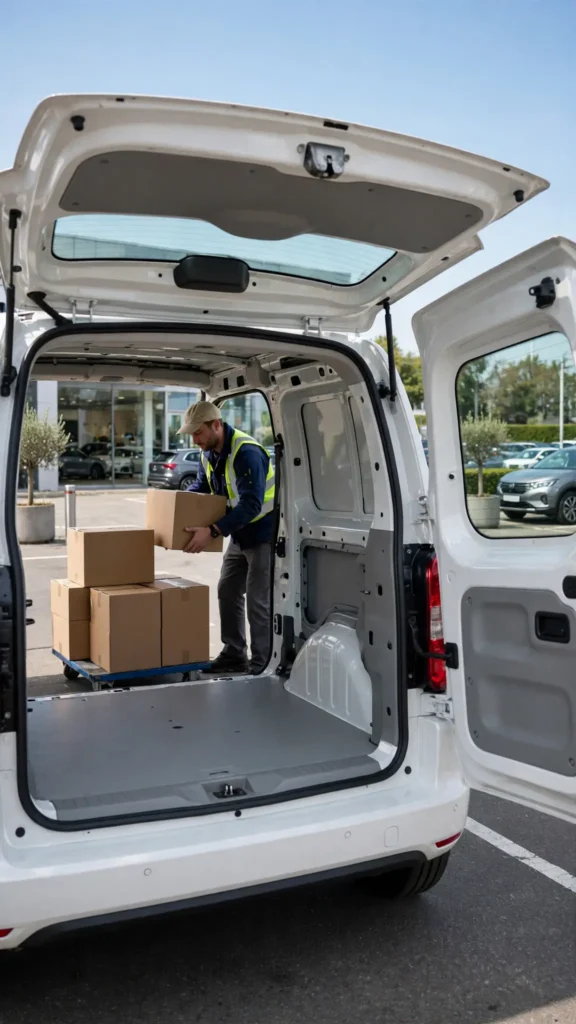
The load space of a Ford Transit Connect depends on the wheelbase, because the short L1 version is designed for town work and tight parking, while the long L2 version adds load length for bulkier cargo, and both are wide enough to carry standard pallets and building materials. The load area is a flat, square space with a low loading height, side and rear doors for easy access, and lashing points to secure cargo, which makes it practical for trade and courier use. Rather than relying on a single volume figure, measure your longest regular load and compare it with the load length of each wheelbase, since the length is the dimension that decides whether your cargo fits, and Ford’s website lists the exact dimensions for each variant.
What Is the Difference Between Transit Connect and Transit Custom?
The Transit Connect is Ford’s compact van, designed for small businesses, couriers and tradespeople who need a car-like van that is easy to drive and park, while the Transit Custom is the larger, one-tonne van that sits above it in the range and offers more load space, a higher payload and a wider choice of body styles. The Custom is the right choice when your loads regularly exceed what a compact van can carry, when you need to carry three people in the cab plus a full load, or when you want a double-cab or kombi variant, while the Connect is the better choice when your loads fit in a compact van and you value easy driving, lower running costs and simple parking. Both are excellent vans, and the choice comes down to how much space you genuinely need rather than how much you think you might need one day.