The smartest way to approach any rav 4 for sale listing is to decide your budget and your must-haves first, then compare the RAV4 generations, check the vehicle’s history and service records, and always arrange an independent pre-purchase inspection before you pay. The fifth-generation RAV4 (2019 onwards) is the most popular used choice thanks to its modern safety equipment and efficient hybrid option, while the fourth generation (2013–2018) offers the best value for tighter budgets. Prices vary widely by year, condition, mileage, trim and location, so use a valuation guide such as Kelley Blue Book to check what a fair price looks like before you negotiate.
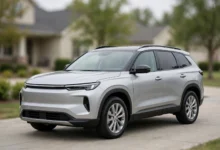
A rav 4 for sale search returns thousands of listings, and that abundance is both the opportunity and the trap. The RAV4 is one of the best-selling SUVs in the world, which means there is no shortage of choice, but it also means that high-mileage, poorly maintained or previously damaged examples sit alongside genuinely excellent cars, often at similar asking prices. The buyers who get the best cars are not the ones who move fastest, but the ones who know which generation suits their budget, which engine fits their driving, and which checks separate a well-kept RAV4 from one that will drain their wallet. This guide covers all of it, step by step.
Which Toyota RAV4 Generation Should You Buy?
The fifth-generation RAV4, known by its XA50 code and sold from the 2019 model year onwards, is the version most used buyers should start with, because it brought a tougher look, a much-improved interior, and Toyota Safety Sense driver assistance equipment across the range. It also made the hybrid a mainstream choice rather than a niche one, and as of November 2026 it remains the current shape on the used market, with the all-new, all-hybrid sixth-generation 2026 RAV4 only just reaching showrooms. If your budget stretches to a 2020 or newer example, the XA50 gives you Apple CarPlay and Android Auto, strong safety scores, and, on hybrids, a battery warranty of 10 years or 150,000 miles from 2020 onwards.
The fourth-generation RAV4, the XA40 sold from 2013 to 2018, is the value pick for buyers working with a smaller budget, and it is a sensible choice rather than a compromise. These cars are simpler, with fewer complex electronics to go wrong, and they still offer the space, reliability and all-wheel-drive traction that made the RAV4 famous, with Toyota Safety Sense becoming standard on 2017 and 2018 models. Older third-generation cars from 2006 to 2012 can be very cheap, but they are now old enough that rust, worn suspension and tired interiors are common, so they only make sense if you buy carefully and budget for maintenance. Whichever generation you choose, remember that condition and service history matter far more than the badge on the back.
Hybrid or Petrol: Which RAV4 Engine Is Right for You?
The hybrid is the headline choice in any rav 4 for sale search, and for most buyers it is the right one, because it pairs a 2.5-litre petrol engine with electric motors to deliver strong performance with noticeably better fuel economy than the petrol-only version. In town and in stop-start traffic the hybrid really shines, running silently on electric power at low speeds and recovering energy when you brake, while on the motorway the difference narrows but the hybrid still holds an efficiency edge. The hybrid system has proven reliable over many years and millions of cars, and Toyota’s long hybrid battery warranty on 2020 and newer models removes much of the worry that used buyers used to have about battery replacement costs.
The petrol-only RAV4, with its 2.0-litre or 2.5-litre four-cylinder engine, is simpler and often cheaper to buy, and it suits drivers who mostly cover long motorway journeys or who tow regularly. It has no hybrid battery to think about, servicing is straightforward at any competent garage, and the purchase price saving can be substantial on older models. The trade-off is higher fuel consumption, particularly around town, and a less refined driving experience at low speeds. When you weigh the two, compare the price difference against your annual mileage: high-mileage town drivers will usually recover the hybrid premium in fuel savings, while low-mileage drivers may be better off pocketing the saving and choosing petrol.
What Should You Check Before Buying a Used RAV4?
A careful inspection is the single most valuable step in any rav 4 for sale purchase, and it starts before you even see the car, with a history check using the vehicle identification number. Confirm the car has a clear title with no accident, flood or salvage record, check for outstanding finance, and verify the mileage against service records and previous inspection documents, because clocked or inconsistent mileage is one of the most common used-car problems. Also check for outstanding safety recalls free of charge through the National Highway Traffic Safety Administration (https://www.nhtsa.gov/recalls)’s recall lookup, since a recall repair is carried out free of charge by a Toyota dealer and no seller should charge you for it.

When you see the car, work through it methodically rather than falling in love with the first clean example you find. Check the bodywork for mismatched paint, uneven panel gaps and rust, particularly underneath and around the wheel arches, then inspect the tyres for even wear and matching brands, which hints at how carefully the car was maintained. Inside, test every electrical item, from the windows and air conditioning to the infotainment screen and driver assistance features, and look for warning lights, damp smells and worn trim that does not match the stated mileage. On a test drive, listen for knocks over bumps, check the brakes pull straight, and make sure the gearbox changes smoothly, then book an independent pre-purchase inspection with a trusted mechanic, because a professional inspection costing a modest fee can reveal hidden accident damage, leaks or worn components that save you far more than the inspection costs.
How Much Does a RAV4 for Sale Cost?
Prices for a rav 4 for sale listing vary enormously by year, condition, mileage, trim and location, so treat every figure below as a national average snapshot rather than a price you will find on your street. According to Kelley Blue Book (https://www.kbb.com/toyota/rav4/) national averages reported in October 2026, a 2014 or 2015 RAV4 LE or XLE typically sits at about $12,450 to $13,650, making it the pick for buyers spending under $15,000, while a 2017 or 2018 model generally runs from about $16,350 to $21,100 depending on trim. Moving up, a 2020 RAV4 runs about $20,600 to $28,200, with the 2020 Hybrid LE at about $24,700 and the petrol XLE at about $22,900, and a 2022 hybrid generally falls between about $23,900 and $34,600 depending on specification.
Nearly new examples command the highest prices, with Kelley Blue Book figures reported in October 2026 putting a 2024 or 2025 RAV4 Hybrid at about $31,000 to $38,300 depending on trim, while a brand-new 2026 RAV4 Hybrid LE starts at $31,900 before destination charges. As of November 2026, these are national averages for typical condition, and your local market may run higher or lower, particularly where all-wheel drive and hybrids are in strong demand. The practical lesson is to check the exact year and trim you want on a valuation site before you negotiate, compare at least three similar listings, and be suspicious of any car priced far below the going rate, because a bargain price often hides accident damage, outstanding finance or a problem the seller is not disclosing.
Which RAV4 Trim Level Should You Choose?
RAV4 trim levels follow a clear ladder, and understanding it stops you paying for equipment you do not need or missing features you would actually use. The LE is the entry point, with the essentials covered, including Toyota Safety Sense, a reversing camera and smartphone connectivity on recent models, and it is the best value if you simply want a dependable family SUV. The XLE adds comfort and convenience, such as a larger touchscreen, upgraded upholstery and a power tailgate, while the XLE Premium adds leather-trimmed seats and a larger infotainment screen, making it a popular middle ground for families who want a nicer cabin without paying top money.
At the top of the range, the Adventure and TRD Off-Road trims are built for buyers who want a tougher look and genuine light off-road ability, with all-wheel drive, higher ground clearance and rugged styling, while the Limited sits at the luxury end with the most equipment, including a panoramic roof, premium audio and advanced driver assistance features. The sporty XSE blends the hybrid powertrain with black exterior details and a firmer suspension tune. As a rule, the XLE or XLE Premium offers the best balance of price and equipment for most buyers, the Limited suits those who want everything, and the Adventure or TRD Off-Road only makes sense if you genuinely drive on rough tracks or tow regularly, because their extra capability costs money and fuel the rest of the time.
Where Should You Buy a RAV4 — Dealer or Private Seller?
A franchised Toyota dealer is the safest place to buy a rav 4 for sale, particularly if you want a certified pre-owned car with a manufacturer-backed warranty, a full inspection and a clean history, although you will pay a premium for that reassurance. Independent used-car dealers sit in the middle, often with a wider choice and keener prices, but the quality of their preparation varies, so check reviews, ask what inspection the car has had, and confirm exactly what warranty is included in writing. Online car retailers have grown quickly and suit buyers who want home delivery and a short return window, but you should still inspect the car carefully on arrival and use the return period to get an independent inspection.
A private seller can offer the lowest price, and a one-owner car with a full dealer service history sold by its original keeper is often the best car you will find. The risk is that a private sale usually comes with no warranty and little comeback if something goes wrong, so the pre-purchase inspection matters even more, and you should never pay in full before you have seen the car, checked its documents, and verified the seller’s identity matches the paperwork. Whichever route you choose, pay by a traceable method, get a receipt, and keep every document, because a complete paper trail protects your money and makes the car easier to sell when your turn comes.
Conclusion
Buying a RAV4 is one of the safer used-car decisions you can make, provided you do the homework before you pay. Choose the generation that fits your budget, with the fifth generation the best all-rounder and the fourth generation the value pick, decide between hybrid and petrol based on your annual mileage, and never skip the history check and independent inspection. Use Kelley Blue Book figures as your anchor on price, compare at least three similar cars, and walk away from any deal that feels rushed, vague or too good to be true, because another RAV4 will always come along.
If you are still deciding between Toyota’s popular SUVs, our guide to the larger Toyota 4Runner may help you compare size, capability and running costs before you commit. You can read it here: Toyota 4Runner for Sale Near Me (https://dailyuppost.co.uk/toyota-4runner-for-sale-near-me/). Whichever Toyota you choose, the same rules apply: verify the history, inspect the car properly, and buy on condition rather than on price alone. As of November 2026, the RAV4 remains one of the most dependable and best-value family SUVs on the used market, and a careful buyer will enjoy years of trouble-free motoring from the right example.
What is the best year for a used Toyota RAV4?
There is no single best year, because the right choice depends on your budget, but 2020 to 2022 models are widely regarded as the sweet spot, combining modern safety equipment, smartphone connectivity and the efficient hybrid option at a fair price. According to Kelley Blue Book national averages reported in October 2026, a 2020 RAV4 runs about $20,600 to $28,200 and a 2022 about $23,900 to $34,600 depending on trim. On a tighter budget, 2017 and 2018 models are the value pick, at about $16,350 to $21,100, with Toyota Safety Sense standard. As of November 2026, condition and service history matter more than model year alone.
Is a used RAV4 Hybrid reliable?
Yes, the RAV4 Hybrid has a strong reliability record, with Toyota’s hybrid system proven over many years and millions of vehicles worldwide. The main thing to check on an older hybrid is the health of the hybrid battery, so look for a full service history, listen for warning messages on the dashboard, and have the battery checked during a pre-purchase inspection. From the 2020 model year onwards, Toyota covers the hybrid battery for 10 years or 150,000 miles. As of November 2026, battery failure on a well-maintained RAV4 Hybrid is uncommon, and most hybrids need no more maintenance than a petrol model.
How much does a used RAV4 cost?
Prices vary by year, condition, mileage, trim and location, but Kelley Blue Book national averages reported in October 2026 give a useful guide: about $12,450 to $13,650 for a 2014 or 2015 model, about $20,600 to $28,200 for a 2020, about $23,900 to $34,600 for a 2022, and about $31,000 to $38,300 for a nearly new 2024 or 2025 Hybrid. These are national averages for typical condition, so check your exact year and trim on a valuation site before negotiating. As of November 2026, always compare at least three similar listings in your area before deciding what is fair.
Should I get a pre-purchase inspection on a RAV4?
Yes, always arrange an independent pre-purchase inspection before buying any used RAV4, even one that looks perfect and comes from a dealer. A qualified mechanic will check for hidden accident damage, leaks, worn suspension and brakes, hybrid battery health, and the condition of the all-wheel-drive system, and the inspection usually costs far less than repairing a single hidden fault. As of November 2026, a pre-purchase inspection remains the most cost-effective protection a used-car buyer has, and a seller who refuses one is giving you a reason to walk away.
Is the RAV4 good for families?
Yes, the RAV4 is one of the most popular family SUVs because it combines a roomy cabin, a large boot, strong safety equipment and low running costs, particularly in hybrid form. Rear-seat space is generous for adults and child seats alike, Toyota Safety Sense driver assistance is standard on recent models, and all-wheel drive is available for poor weather and light off-road use. As of November 2026, the RAV4 continues to rank among the best-selling compact SUVs, and its reputation for reliability and strong resale values makes it a sensible long-term family choice.