
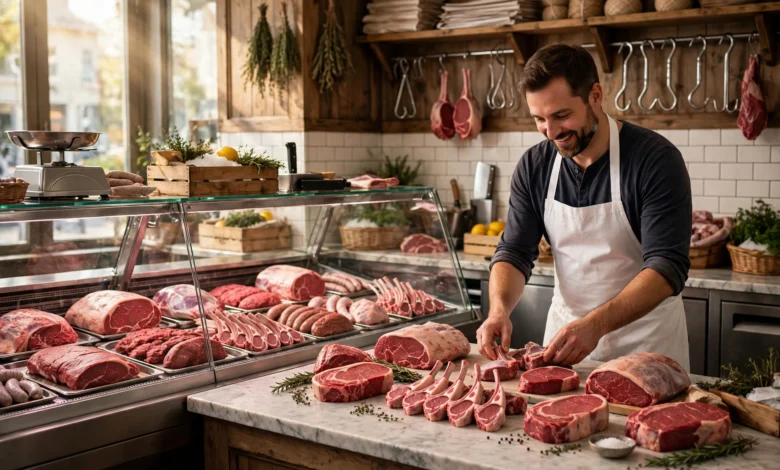
The fastest way to find a good meat store near you is to search your maps app for “butcher” as well as “meat store near me”, then shortlist two or three shops with strong recent reviews, visit the one that looks cleanest and best stocked, and judge it by the colour and smell of the meat, the clarity of its labelling, and how willingly the staff answer your questions about sourcing and freshness. A good local butcher will happily tell you where the meat comes from, which cut suits your recipe, and how to cook and store it, while a supermarket meat counter can be a solid everyday option when you know what to check before you buy. This guide walks you through every step, from finding a shop to storing your purchase safely at home.
A search for a meat store near you can return a surprising mix of results, and that is exactly why a little know-how matters more than the search itself. You might see an independent high-street butcher, a supermarket meat counter, a farm shop, a halal butcher, or a wholesale cash-and-carry, and each of these serves a slightly different shopper with different strengths and trade-offs. The trick is not to pick the closest result by default but to match the shop to what you actually need, whether that is a single steak for tonight, a weekly family shop, or a large joint for a special occasion. Once you know what separates a great meat store from a mediocre one, every future shop becomes quicker, cheaper and tastier.
What Counts as a Meat Store Near You?
A meat store near you can mean several different kinds of shop, and knowing the difference helps you choose the right one before you set off. The classic option is the independent butcher, a specialist shop that buys whole or part carcasses, breaks them down on the premises, and sells a wide range of fresh cuts alongside sausages, burgers and ready-prepared joints. Then there is the supermarket meat counter, which is convenient and often cheaper, although the range is usually narrower and the staff may have less time for detailed advice. Farm shops and farmers’ markets sit somewhere in between, often selling meat from the farm itself or from nearby producers, while wholesale and cash-and-carry outlets suit people buying in bulk for a freezer or an event.
Online meat delivery has also become a real alternative to a physical butcher’s shop, and it deserves a fair hearing rather than an instant dismissal. Reputable online butchers send chilled boxes with clear use-by dates and full traceability, and they can be excellent for harder-to-find cuts or for people who live far from a good butcher. The trade-off is that you cannot see, touch or smell the meat before you commit, and delivery charges can eat into any saving, so it pays to compare the delivered cost per kilogram with your local shop rather than comparing headline prices alone. Many shoppers now use both, buying everyday meat locally and ordering specialist cuts online, which is a sensible balance.
How Can You Find a Good Meat Store Near You?
The simplest way to find a meat store near me is to combine a maps search with old-fashioned local knowledge, because neither one alone tells the full story. Start with your maps app and search for “butcher”, “meat store” and “farm shop”, then read the most recent reviews rather than the overall star rating, looking for repeated mentions of freshness, cleanliness, fair pricing and helpful staff. A shop with dozens of recent positive reviews that mention specific things, such as well-trimmed joints or good advice, is a stronger bet than a shop with a handful of vague five-star ratings from years ago, and the same logic applies in reverse to complaints.
Word of mouth still beats the internet when you are hunting for a great local butcher, so ask neighbours, colleagues and local food groups who they trust and why. People who cook regularly tend to be loyal to one butcher for years, and they will tell you honestly whether the sausages are made in-house, whether the shop will cut to order, and whether prices are fair for the quality on offer. Once you have a shortlist, visit the shops yourself rather than judging them from a screen, because a five-minute visit tells you more about hygiene, range and attitude than any amount of scrolling. Notice whether the shop is busy at peak times, which is usually a good sign, and whether staff greet customers and handle the meat properly.
What Should You Look for Inside a Meat Store?
Freshness is the first thing to judge when you walk into any meat store near me, and your eyes and nose are genuinely useful tools if you know what they are looking for. Fresh beef should look a rich cherry-red, lamb should be a pinkish red, and pork should be a pale pink, while poultry should look plump with unblemished skin and no grey or green tinge anywhere. The display should look tidy and well stocked without being overfilled, the meat should sit on clean trays rather than in pools of liquid, and there should be no sour or unpleasant smell in the shop, because fresh meat has almost no smell at all. If anything looks dull, slimy or off-colour, or the cabinet looks warm and neglected, trust your instincts and walk away.
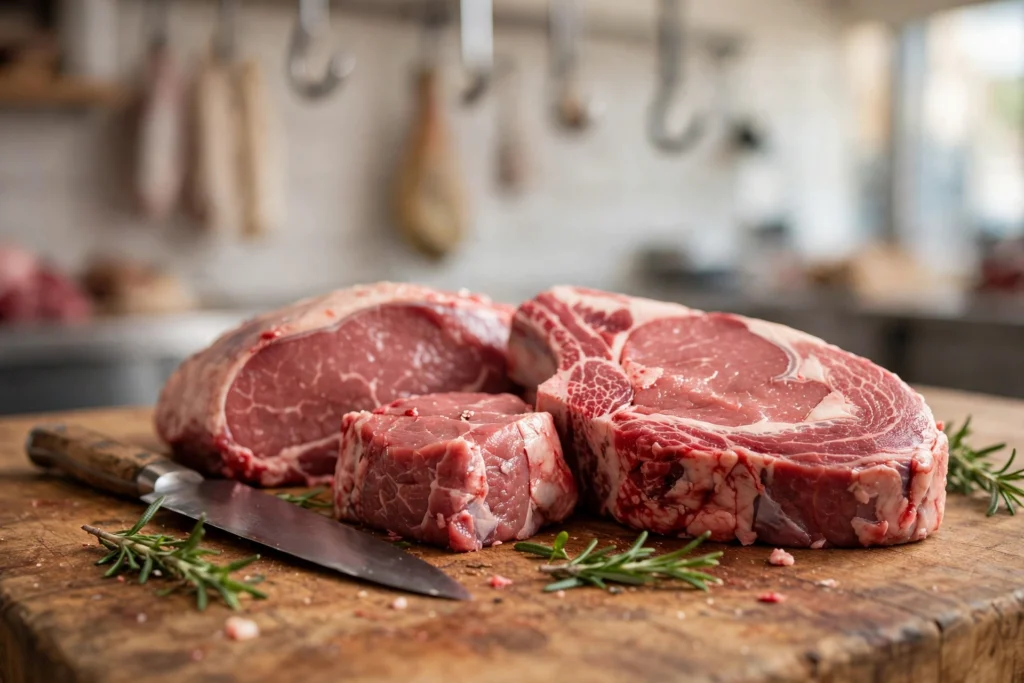
Clear labelling is the second thing a good local butcher gets right, and it tells you a great deal about how seriously the shop takes its customers. Every pack or tray should show what the cut is, its weight, its price per kilogram, its country of origin and its use-by date, and staff should be able to tell you more if you ask, such as whether the beef is grass-fed or how long it has been aged. Good shops also keep their counters, knives, boards and fridges visibly clean, handle different meats separately to avoid cross-contamination, and store raw meat below ready-to-eat foods in the chiller, all of which reflects the hygiene standards the Food Standards Agency expects of food businesses. If labels are missing or staff cannot answer basic questions, that is a warning sign worth taking seriously.
Which Cuts Are Worth Asking Your Butcher About?
One of the biggest advantages of a proper butcher’s shop is that you can ask for exactly the cut you need, rather than settling for whatever is pre-packed on a supermarket shelf. If you are roasting, ask about topside, silverside or a rolled rib of beef, a leg or shoulder of lamb, or a loin or leg of pork, and tell the butcher how many people you are feeding so they can size the joint correctly. For quick weeknight cooking, steaks such as sirloin, ribeye and rump, lamb chops, pork chops and chicken thighs all cook fast and forgive small mistakes, while slower cuts such as shin, brisket, shoulder and stewing steak reward long, gentle cooking with deep flavour and a far lower price per kilogram.
Do not be shy about asking your butcher to prepare the meat for you, because that service is part of what you are paying for at a good local butcher and it can transform a difficult recipe into an easy one. A butcher can trim, bone, roll, tie and stuff a joint, cut steaks to your preferred thickness, dice meat for a stew, or mince it fresh while you wait, and most will do this free of charge or for a very small fee. They can also suggest alternatives when your first choice is expensive or out of stock, such as swapping feather blade for ribeye in a slow braise or choosing chicken thighs instead of breast for a curry, and these swaps often save money while improving the finished dish. The Agriculture and Horticulture Development Board (https://ahdb.org.uk) publishes clear guidance on beef, lamb and pork cuts, which is a useful reference if you want to learn the basics before you visit.
What Questions Should You Ask Before You Buy?
A confident shopper at a meat store near me asks questions, and a good butcher expects them, so there is no need to feel awkward about speaking up. Start with where the meat comes from and how it was reared, because origin and farming method affect flavour, animal welfare and price, and a reputable shop will answer plainly rather than changing the subject. Then ask how long the meat has been aged or hung, particularly for beef, because proper ageing develops flavour and tenderness, and ask whether sausages and burgers are made on the premises and what goes into them. If you have a dietary need, such as halal meat or a pork-free household, say so early, and ask how the shop prevents cross-contamination.
Practical questions matter just as much as questions about provenance, and they are the ones that save you money and disappointment when you get home. Ask how much a joint will shrink during cooking, whether the weight includes bone, how many portions it will serve, and how the butcher recommends cooking it, including temperatures and resting times, because this turns a guess into a plan. Also ask about the use-by date, whether the meat can be frozen, and how long it will keep in the fridge once opened, since the answer determines whether you should buy today or wait until closer to your meal. A butcher who answers all of this patiently and precisely has earned your repeat business, while evasive or irritated answers are a reason to try the next shop on your list.
How Do You Store Meat Safely Once You Get It Home?
Safe storage starts the moment you leave the butcher’s, so keep chilled meat cold on the journey home and get it into the fridge as soon as you arrive. The Food Standards Agency advises keeping your fridge at 5°C or below, storing raw meat on the bottom shelf in a sealed container so its juices cannot drip onto other foods, and always following the use-by date rather than relying on a sniff test, because harmful bacteria do not always change how food looks or smells. Cooked meat should be cooled quickly and eaten within two days where possible, and leftovers should be reheated until they are steaming hot all the way through. These are simple habits, but they prevent a great deal of food poisoning.
Freezing is the best way to make the most of a good local butcher without wasting anything, and it works best when you freeze meat on the day you buy it rather than waiting until it is nearly out of date. Wrap portions tightly in freezer bags or wrap, squeeze out as much air as you can, label each pack with the cut and the date, and use it within the recommended storage time, which the Food Standards Agency covers in its guidance on chilling and freezing food (https://www.food.gov.uk/safety-hygiene/chilling). Defrost meat slowly in the fridge rather than on the kitchen counter, never refreeze meat that has already been defrosted and cooked only if you reheat it thoroughly, and keep raw and cooked foods apart at every stage. If you follow these basics, a well-stocked freezer means you can buy quality meat when it is at its best and enjoy it at your own pace.
Is a Local Butcher Worth It Compared with a Supermarket?
Whether a local butcher is worth the extra cost depends on what you value, and for many shoppers the answer is yes for some purchases and no for others. A butcher typically offers better advice, more choice, meat cut to order, and the ability to buy exactly the amount you need, which means less waste and better results for roasts and special meals. Supermarkets, on the other hand, win on convenience, opening hours and everyday prices, and their meat counters and pre-packed ranges are perfectly good for routine weeknight cooking. The smart approach is to use both, buying your everyday chicken, mince and sausages wherever suits you and saving the butcher for joints, steaks and anything where quality really shows.
Price comparisons between a meat store near me and a supermarket are only fair when you compare like with like, so check the price per kilogram, the amount of fat and bone included, and how much the meat shrinks during cooking. A cheaper-looking joint with heavy bone and thick fat can cost more per edible portion than a dearer one from a butcher, and a steak that loses a third of its weight in the pan was not the bargain it appeared to be. Also consider the hidden value of advice, because a butcher who steers you towards a cheaper cut that suits your recipe has saved you money and improved your dinner at the same time. As of November 2026, food prices continue to vary by region, season and supplier, so treat any single price as a snapshot and judge value by quality, yield and service rather than by the ticket alone.
Conclusion
Finding a great meat store near you is less about luck and more about knowing what to look for, and the effort pays for itself in better meals and less waste. Start with a maps search and recent reviews, narrow your choice with word of mouth, then visit the shop and judge it on freshness, labelling, cleanliness and the quality of its advice. Ask where the meat comes from, which cut suits your recipe, and how to cook and store it, and build a relationship with a butcher who answers well, because that relationship is worth more than any single bargain. Use supermarkets for convenience and everyday staples, and save your local butcher for the meals that matter.
The habits that protect your food are simple and worth keeping every single time you shop, from getting chilled meat into a cold fridge quickly to respecting use-by dates and freezing portions on the day you buy them. As of November 2026, the Food Standards Agency’s guidance on chilling, storing and freezing food remains the clearest official reference for home food safety in the UK, and following it costs nothing. Choose your meat store carefully, ask questions freely, and cook what you buy with confidence, and the search that started with “meat store near me” will end with a shop you trust and a dinner worth sitting down to.
How do I find the best meat store near me?
Search your maps app for “butcher” and “meat store near me”, then shortlist two or three shops with strong recent reviews that mention freshness, cleanliness and helpful staff. Visit your top choice and judge it yourself by the colour and smell of the meat, the clarity of the labelling, and how willingly staff answer questions about sourcing and freshness. Word of mouth helps too, so ask neighbours or local food groups who they trust. As of November 2026, maps and review platforms remain the quickest starting point, but a short visit tells you more than any listing, and a busy shop at peak times is usually a good sign.
Is a local butcher better than a supermarket meat counter?
A local butcher usually offers more choice, meat cut to order, and detailed advice on cooking and sourcing, which makes it the better option for roasts, steaks and special meals. A supermarket meat counter wins on convenience, opening hours and everyday prices, and is perfectly good for routine cooking. The best approach for most households is to use both, buying everyday items wherever suits you and saving the butcher for meals where quality really shows. As of November 2026, neither option is universally better, so judge by the cut, the price per kilogram, and the service you receive.
What should fresh meat look and smell like?
Fresh beef should be a rich cherry-red, lamb a pinkish red, pork a pale pink, and poultry plump with unblemished skin, with no grey or green tinge and no slimy surface. Fresh meat has almost no smell, so a sour or unpleasant odour is a warning sign, as is meat sitting in pools of liquid in a warm or untidy display. The Food Standards Agency advises buying from clean, well-run shops and following use-by dates, because harmful bacteria do not always change how food looks or smells. As of November 2026, these visual and smell checks remain the most practical way to judge freshness in the shop.
How long can I keep fresh meat in the fridge?
Keep your fridge at 5°C or below, store raw meat on the bottom shelf in a sealed container, and follow the use-by date on the label. Most fresh red meat keeps for three to five days under proper refrigeration, mince and sausages for one to two days, and poultry for one to two days, although you should always follow the date printed on the pack. The Food Standards Agency advises against relying on a sniff test, because harmful bacteria do not always change how food looks or smells. As of November 2026, freezing meat on the day you buy it is the safest way to extend its life.
Can I freeze meat from a butcher?
Yes, you can freeze meat from a butcher, and it freezes best when you do it on the day you buy it rather than waiting until it is nearly out of date. Wrap portions tightly, squeeze out excess air, label each pack with the cut and the date, and defrost slowly in the fridge rather than on the kitchen counter. The Food Standards Agency advises never refreezing raw meat once it has been defrosted, and cooking defrosted meat thoroughly before eating it. As of November 2026, its guidance on chilling and freezing food remains the official reference for safe home storage in the UK.
