Things to Do in Florida: The Ultimate Guide for First-Time Visitors
Things to do in Florida range from world-famous theme parks and white-sand beaches to quiet natural springs, historic old towns and vast wetlands filled with wildlife, so the state suits almost every kind of traveller. Whether you are planning a family holiday around Orlando, a relaxing beach break on the Gulf Coast, or an adventurous road trip down to the Florida Keys, you will find far more variety here than most first-time visitors expect. This guide brings together the best of the Sunshine State, with practical advice to help you plan a trip that fits your time, your budget and your interests, as of November 2026.


Florida is one of the most visited states in America, and the reason is simple: it packs an extraordinary range of experiences into a single peninsula that is easy to explore by car. In one trip you can watch a rocket launch on the Space Coast, swim with manatees in a crystal-clear spring, wander the oldest streets in the United States, and end the day watching the sun set over the Gulf of Mexico. The key to enjoying it all is choosing a few highlights rather than trying to see everything, and this guide will help you decide where your time is best spent.
Why Florida Works for Every Kind of Traveller
Florida works for every kind of traveller because its attractions are spread across distinct regions, each with its own character, and you can build a trip around whichever style suits you best. Families gravitate towards Orlando and its theme parks, couples often choose the beaches of the Gulf Coast or the Keys, and outdoor lovers head for the springs, state parks and the Everglades. Even within a single city you will find a mix of museums, restaurants, markets and green spaces, so a trip here rarely feels one-dimensional or repetitive, whatever your age or interests.
The state is also unusually easy to travel around, with well-maintained highways, a wide choice of airports, and accommodation ranging from budget motels to luxury resorts. English is spoken everywhere, driving is straightforward for visitors used to American roads, and most major attractions are designed with tourists in mind, with clear signage, family facilities and accessible options. That ease of travel is part of why so many people return year after year, often visiting a different region each time and discovering that Florida still has something new to offer them.
Orlando Theme Parks and Beyond
Orlando is the theme park capital of the world, and its famous parks are the main reason many visitors come to Florida in the first place. The big names need little introduction, with sprawling resorts offering roller coasters, immersive themed lands, water parks and evening shows that can easily fill several days. Planning matters here more than anywhere else in the state, because the parks are large and popular, so booking tickets in advance, arriving early and using official planning tools will help you fit far more into each day than simply turning up and hoping for the best.
Beyond the parks, Orlando itself has much more to offer, including a lively downtown, excellent restaurants, outlet shopping and nearby natural attractions such as the Wekiwa Springs State Park. Many visitors are surprised to find that a day away from the parks, exploring a local neighbourhood or kayaking a clear river, becomes one of the highlights of their trip. If you are staying in Orlando for a week, building in one or two slower days will leave you far more refreshed than a relentless schedule of early starts and late finishes.
Things to Do in Florida for Families
Things to do in Florida for families go well beyond the theme parks, and some of the best family memories come from the simpler experiences the state offers. Children love the beaches, where they can build sandcastles, hunt for shells and paddle in warm, shallow water, while older kids often enjoy airboat rides, dolphin-watching cruises and hands-on science museums. Many state parks run ranger-led programmes and junior ranger activities that turn a walk in nature into an adventure, and these are often free or very low cost compared with a day at a major attraction.
Planning a family trip also means thinking about pace, because young children tire quickly in the Florida heat and humidity, especially during the summer months. Build in shade, water and rest breaks, carry sunscreen and hats, and keep a flexible schedule that allows for an afternoon by the pool when energy runs low. Booking accommodation with a kitchen or laundry facilities can make a family stay far more comfortable, and choosing a base near your main activities will cut down on long drives. With a little planning, Florida is one of the easiest and most rewarding family destinations in the United States.
Florida’s Best Beaches, From the Panhandle to the Keys
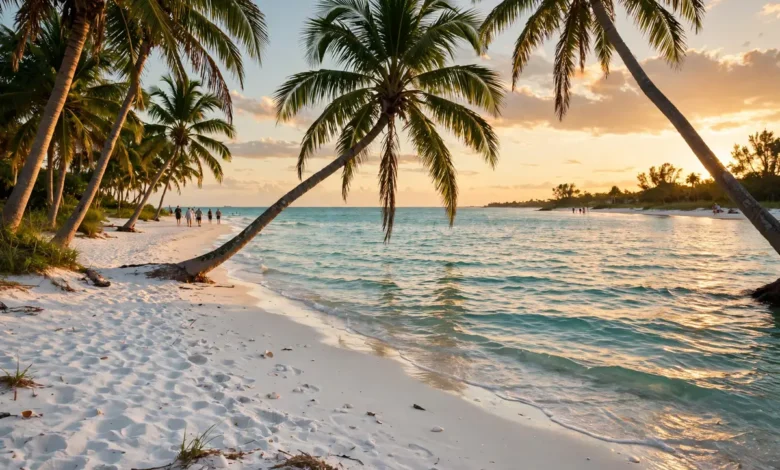
Florida has more coastline than any other state in the contiguous United States, and its beaches vary enormously from one coast to the other. The Panhandle in the northwest is known for sugar-white sand and emerald water, while the Atlantic coast offers long surfing beaches, lively boardwalks and historic piers. The Gulf Coast, around Clearwater, St Petersburg and Sarasota, is famous for calm, warm water and spectacular sunsets, and the Florida Keys offer a more laid-back, island atmosphere where the pace of life slows right down. Choosing between them depends on whether you want waves, calm water, crowds or solitude.
Each beach has its own rules and character, so it is worth checking local guidance before you go, particularly about parking, lifeguards, and whether the beach allows dogs, fishing or water sports. Some of the most beautiful beaches are inside state parks, where a small entry fee helps maintain the facilities and keeps the crowds lower than at the busiest public beaches. Arriving early in the morning gives you the best choice of spot and the most comfortable temperatures, while late afternoon brings golden light and often a sea breeze. Whatever coast you choose, Florida’s beaches are the heart of the state’s appeal.
The Everglades and Florida’s Wild Side
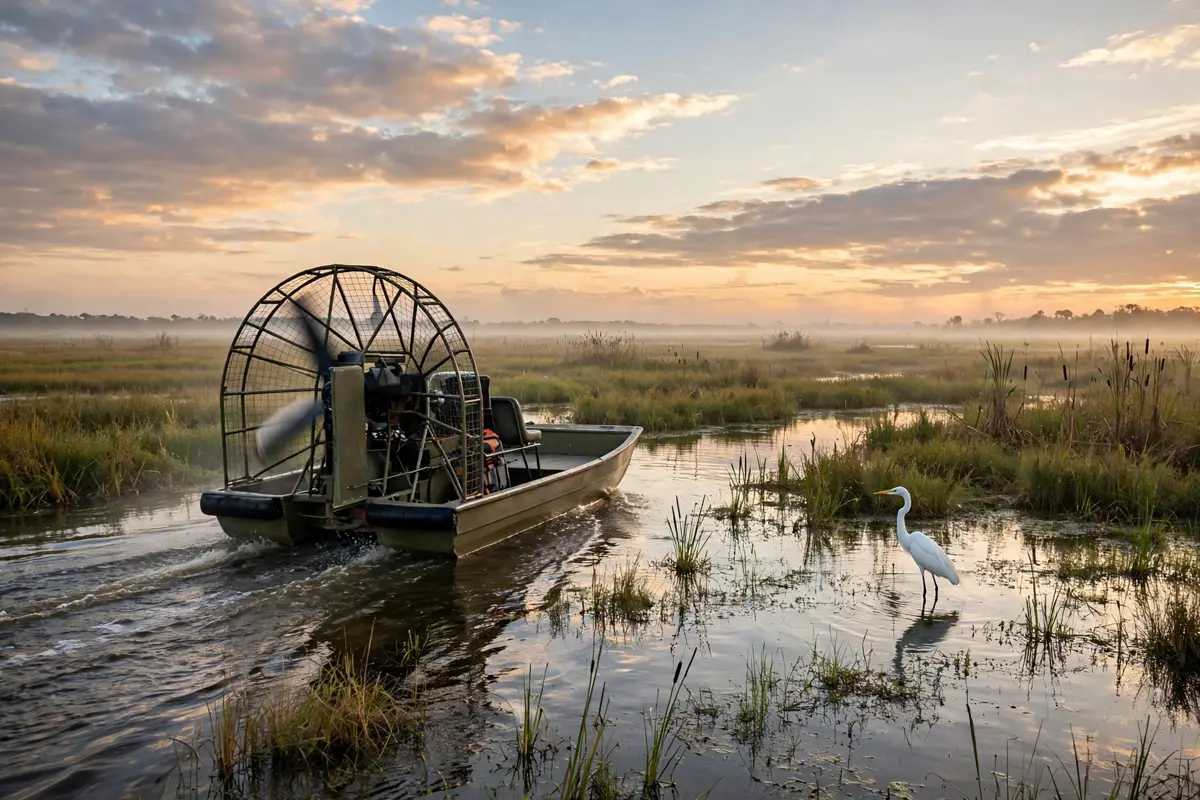
The Everglades is one of the most remarkable natural places in America, a vast, slow-moving river of grass that covers much of southern Florida and supports alligators, manatees, wading birds and the elusive Florida panther. Everglades National Park, established in 1947, protects a large part of this ecosystem, and visitors can explore it by airboat, kayak, boardwalk trail or guided ranger walk. The park’s Anhinga Trail is one of the best places in the country to see alligators and water birds at close range, while the Shark Valley loop offers a wide view across the sawgrass prairie from its observation tower.
Visiting the Everglades is a very different experience from the rest of Florida, and it rewards travellers who slow down and look carefully rather than rushing through. Early mornings and late afternoons are the best times for wildlife, when birds are feeding and the light is at its most beautiful, while the dry winter months bring cooler temperatures, fewer mosquitoes and lower water levels that concentrate wildlife. Bring insect repellent, sun protection and plenty of water, and consider a guided tour if you want to understand the ecology, since a good guide can point out animals and plants you would otherwise walk straight past.
Historic St Augustine and Florida’s Great Cities
St Augustine, founded in 1565, is the oldest continuously occupied European settlement in the continental United States, and its cobbled streets, Spanish colonial architecture and historic fort make it one of the most atmospheric places in Florida. The Castillo de San Marcos, a stone fortress guarding the waterfront, is the centrepiece of the old town, while the surrounding streets are filled with museums, cafes, art galleries and independent shops. It is a compact city that is best explored on foot, and a day or two here offers a welcome contrast to the beaches and theme parks elsewhere in the state.
Florida’s larger cities each have their own appeal, with Miami offering Latin culture, art deco architecture and a famous food scene, Tampa combining a historic cigar district with modern waterfront attractions, and Jacksonville providing riverfront parks and a growing arts district. The state capital, Tallahassee, is quieter but has interesting museums and beautiful canopy roads shaded by live oaks. Rather than trying to visit every city in one trip, pick one or two that match your interests and give them proper time, since each rewards a slower look far more than a hurried drive-through.
Springs, Kayaking and Outdoor Adventures
Florida’s natural springs are among its best-kept secrets, with clear, cool water that stays at a near-constant temperature all year round and creates perfect conditions for swimming, snorkelling and kayaking. Some springs are set in state parks with picnic areas and nature trails, while others are best reached by kayak along winding rivers shaded by cypress trees. Seeing manatees gather in the warm spring water during the cooler months is an unforgettable experience, and many springs offer guided tours that explain the delicate ecology of these fragile environments.
Beyond the springs, Florida offers an impressive range of outdoor adventures, from surfing and paddleboarding on the Atlantic coast to cycling the long, flat trails that cross the state, and from deep-sea fishing in the Gulf to hiking in the forests of the Panhandle. For travellers weighing up things to do in Florida beyond the theme parks, these outdoor adventures offer a slower and often cheaper way to enjoy the state. The state park system is extensive and well maintained, with campgrounds, cabins and visitor centres that make it easy for beginners to enjoy the outdoors. Whatever your fitness level, there is an outdoor activity in Florida that fits, and the warm climate means that most of them are available for much of the year.
Planning Tips for a Smooth Florida Trip
Planning a smooth Florida trip starts with choosing the right time of year, since the summer brings heat, humidity and afternoon thunderstorms, while the winter months are cooler, drier and more comfortable, though also busier and often more expensive. Spring and autumn offer a good balance of pleasant weather and smaller crowds, and they are often the best choice for travellers who want to enjoy the outdoors without the peak-season rush. Whichever season you choose, booking accommodation and major attractions in advance will save you both money and stress, particularly around school holidays.
A car is the most practical way to explore Florida, because public transport is limited outside the biggest cities and many of the best beaches, springs and state parks are only reachable by road. Plan your route around a few bases rather than changing hotels every night, pack light layers alongside your swimwear, and keep sunscreen, insect repellent and a reusable water bottle in your day bag. Finally, remember that distances in Florida are larger than they look on a map, so allow generous driving time between regions and build in rest days. A well-paced trip will always be more enjoyable than one that tries to cover too much ground.
Conclusion
Florida rewards travellers who mix the famous highlights with the quieter corners of the state, because the theme parks and beaches are only part of what makes it special. A trip that combines a day or two in Orlando, time on a Gulf Coast beach, a morning in the Everglades and an evening wandering the streets of St Augustine will give you a far richer sense of the state than any single attraction on its own. As of November 2026, Florida remains one of the most varied and accessible holiday destinations in America, and the range of things to do in Florida means there is genuinely something here for every traveller.
The best Florida trips are the ones that leave room for spontaneity, so use this guide as a starting point rather than a rigid schedule, and let the state surprise you along the way. Whether you come for the rides, the wildlife, the history or simply the sunshine, Florida has a way of turning first-time visitors into returning regulars. Plan well, travel at a comfortable pace, and you will go home with memories that last far longer than your tan.
How Many Days Do I Need in Florida?
How many days you need in Florida depends on what you want to see, but a first visit usually needs at least a week to enjoy the state properly without feeling rushed. A week allows you to spend three or four days around Orlando, two days on a beach, and a day exploring somewhere different such as the Everglades or St Augustine, with a rest day built in. Travellers who try to cover the whole state in a long weekend often spend most of their time driving and see very little, so a longer trip is almost always more satisfying.
If you only have a few days, it is better to focus on one region and enjoy it properly rather than attempting a whistle-stop tour of the entire peninsula. A long weekend in Miami and the Keys, or four days in Orlando, can be a wonderful trip in its own right, and you can save the rest of the state for a return visit. Florida rewards repeat visitors, and many people find that their second and third trips are even better than the first, because they already know which places they want to return to.
What Is the Best Time of Year to Visit Florida?
The best time of year to visit Florida depends on your priorities, because each season offers a different balance of weather, crowds and prices. Winter, from December to February, brings the driest and most comfortable weather, with warm days and cool evenings, but it is also the busiest and often the most expensive time to visit, particularly around Christmas and the school holidays. Spring and autumn are often the sweet spot, with pleasant temperatures, fewer crowds and better value accommodation than the peak winter months.
Summer in Florida is hot, humid and prone to short, heavy afternoon thunderstorms, and it is also hurricane season, which runs from June to November. That said, summer can still be a good time to visit if you plan around the heat, take advantage of longer daylight hours, and enjoy the warm sea temperatures. Families tied to school holidays often travel in summer and have a wonderful time, provided they stay hydrated, use sun protection, and schedule outdoor activities for the cooler morning hours.
Is Florida Good for Travellers on a Budget?
Florida can be good for travellers on a budget, provided you plan carefully and mix paid attractions with the many free and low-cost experiences the state offers. Beaches, state parks, nature trails, farmers markets and historic neighbourhoods cost little or nothing to enjoy, and many museums and attractions offer discounted days or reduced rates for children, students and seniors. Cooking some of your own meals, staying in self-catering accommodation, and travelling outside peak season can also bring costs down significantly without reducing the quality of your trip.
The main costs to watch are theme park tickets, which are a significant expense for a family, and accommodation in the most popular areas during peak season. Booking early, comparing prices across different providers, and considering a stay slightly outside the busiest resort areas can all help. A day at the beach, a picnic in a state park, or an evening stroll along a waterfront can be just as memorable as an expensive attraction, so a Florida holiday does not need a large budget to feel special.
Do I Need a Car to Get Around Florida?
A car is highly recommended for getting around Florida, because the state is large, its attractions are spread out, and public transport is limited outside the centres of Miami, Orlando and Tampa. Many of the best beaches, springs, state parks and small towns are only reachable by road, and having your own vehicle gives you the freedom to explore at your own pace and stop wherever takes your fancy. Rental cars are widely available at all major airports, and driving in Florida is generally straightforward, with wide highways and clear signage.
It is possible to visit Florida without a car if you stay in one place, such as a resort area in Orlando or a beachfront hotel in Miami, and use shuttles, rideshares and local buses for short trips. This approach works well for a focused holiday, but it limits your ability to explore beyond your immediate area. If you plan to visit more than one region, or you want to reach the Everglades, the springs or the Keys, a rental car will make the trip far easier and far more enjoyable.
What Should I Pack for a Florida Holiday?
Packing for a Florida holiday means preparing for warm weather, sudden rain and plenty of time outdoors, so lightweight, breathable clothing should be the foundation of your suitcase. Include swimwear, comfortable walking shoes, sandals, a light rain jacket, a hat and sunglasses, plus a warmer layer for air-conditioned restaurants and cooler winter evenings. Sunscreen is essential, and it is worth bringing a high-factor, reef-friendly product, along with insect repellent, a reusable water bottle and a small day bag for excursions.
Beyond clothing, remember the practical items that make a Florida trip smoother, such as a phone charger, a waterproof case for the beach, and any medication you need, since pharmacies may not stock your usual brand. If you plan to visit the theme parks, a small backpack and a portable charger are invaluable, while a pair of binoculars can transform a trip to the Everglades or a birdwatching spot. Packing light and leaving space for souvenirs is a good rule, because Florida has no shortage of shops, markets and local crafts to tempt you.
Source: VISIT FLORIDA