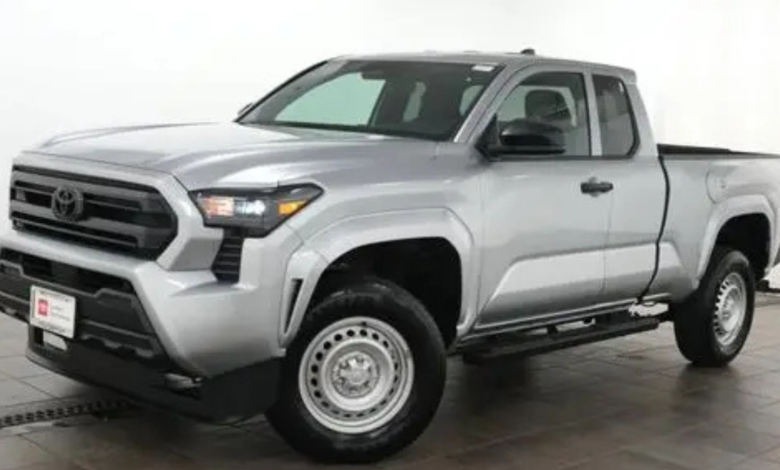
Searching for a Toyota Tacoma near me can lead you to various options, including new models, used vehicles, and certified pre-owned choices. The Tacoma’s reliability, off-road capabilities, and versatile trim levels make it a popular pick among truck enthusiasts. If you’re keen to find the best years to buy a Tacoma, understanding the current market and vehicle offerings in your area is essential.
Where to Find Toyota Tacoma Near Me
To locate a Toyota Tacoma near you, start by checking local dealerships and their online inventories. Websites like CarMax and Toyota’s official site provide extensive listings. For instance, you can test drive a used Toyota Tacoma for sale at CarMax in Winchester, VA, where a 2021 model with 35K miles is listed for $49,998. Additionally, searching for dealership locations can help you discover options like Vic Vaughan Toyota of Boerne in San Antonio, TX, which frequently updates its inventory.
Understanding Toyota Tacoma Pricing Options
The pricing for a Toyota Tacoma varies based on its model year, trim level, and condition. For example, new models like the 2026 Toyota Tacoma have starting prices around $32,145, depending on the trim and features. Used options can range significantly, from under $5,000 for older models to around $30,065 for more recent, certified vehicles. Websites that specialize in vehicle sales can help you compare these prices and find the best deals in your area.
Exploring Toyota Tacoma Reliability Ratings
When considering a Toyota Tacoma near me, reliability ratings are crucial. The Tacoma has a strong reputation for durability, often scoring high in reliability assessments. This reputation translates to a higher resale value, making it a smart investment for potential buyers. Researching customer reviews can provide insight into the ownership experience, as many owners praise the Tacoma’s long-lasting performance and low maintenance costs.
Evaluating Toyota Tacoma Maintenance Costs
Maintenance costs for the Toyota Tacoma tend to be reasonable compared to other trucks in its class. Regular upkeep, including oil changes and brake checks, can keep the Tacoma running smoothly. Prospective buyers should factor in these costs when looking for a Toyota Tacoma near me, as they can impact the overall cost of ownership.
Discovering Toyota Tacoma Off-Road Capabilities
The Toyota Tacoma is renowned for its off-road capabilities, especially in trims like the TRD Off Road. This model is equipped with features designed for rugged terrains, making it a favorite for adventurous drivers. If you’re interested in exploring off-road options, checking local inventories for the TRD variants can lead to exciting discoveries, especially if you live near areas known for outdoor activities.
Understanding Toyota Tacoma Towing Capacity
The towing capacity of the Toyota Tacoma is another appealing feature for many buyers. Depending on the configuration, the Tacoma can tow between 3,500 to 6,800 pounds, making it suitable for hauling trailers, boats, or other heavy loads. When searching for a Toyota Tacoma near me, consider your towing needs to select the appropriate model that fits your lifestyle.
Comparing Toyota Tacoma Trim Levels
The Toyota Tacoma offers several trim levels, each designed to cater to different preferences and needs. From the base SR to the more luxurious Limited and the performance-oriented TRD Pro, understanding these options can help you find the perfect Tacoma. Investigating local dealership inventories can also provide specific details on available trims and their features.
Finding Toyota Tacoma Resale Value
The resale value of the Toyota Tacoma is notably high, often retaining more value over time compared to competitors. This quality makes the Tacoma an appealing option for buyers who may consider selling or trading it in down the line. When searching for a Toyota Tacoma near me, keeping an eye on models with high resale values can lead to better long-term investments.
Frequently Asked Questions
What year of Tacoma to stay away from?
No verified answer is available regarding specific years to avoid.
What is the best year Toyota Tacoma to buy?
No verified answer is available regarding the best year to buy a Tacoma.
Where is the best place to buy a Tacoma?
No verified answer is available about the best place to buy a Tacoma.
Is buying a Tacoma worth it?
No verified answer is available regarding the overall worth of buying a Tacoma.
What accessories are available for the Toyota Tacoma?
A variety of accessories for the Toyota Tacoma are available, including bed liners, tow hitches, and upgraded audio systems. Checking with local dealerships can provide specific options tailored to your Tacoma model.
What financing deals are available for the Toyota Tacoma?
Financing deals for the Toyota Tacoma vary by dealership and location. Many dealerships offer special financing rates and incentives, so it’s beneficial to inquire directly with local Toyota dealerships for the latest offers.
Finding a Toyota Tacoma near me opens up a range of options, from new to certified used models. With high reliability ratings and excellent resale values, the Tacoma remains a strong contender in the truck market. Understanding the specific features and pricing can help you make an informed decision when purchasing your next vehicle.
You May Also Read: smoke shops near me