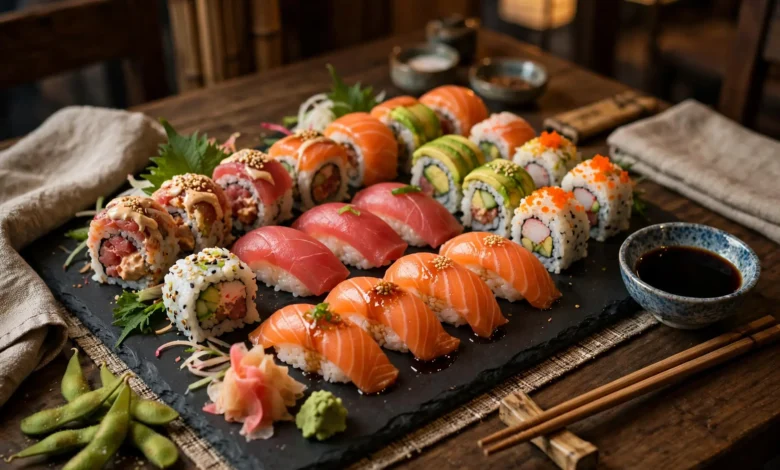
All You Can Eat Sushi Near Me: Prices, Rules and How to Find the Best Spots
All you can eat sushi near me is one of the most searched food phrases in any city, and for good reason, because a good all-you-can-eat sushi meal lets you try a dozen different rolls and pieces of nigiri for one fixed price. But the best AYCE sushi experience is not just about eating as much as possible, because the quality of the fish, the rules of the restaurant and the way you order all make a big difference to whether the meal is worth the money. This guide explains how all-you-can-eat sushi works, what it usually costs, how to find the best spots near you, and the etiquette that keeps you welcome at your favourite restaurant.

What Is All You Can Eat Sushi?
All you can eat sushi, usually shortened to AYCE sushi, is a fixed-price meal where you can order as much sushi as you want within a set time limit, and the price stays the same no matter how much you eat. The idea comes from Japan, where the concept is known as tabehodai, which means “all you can eat,” and it has become popular in the United States, the United Kingdom, Canada and Australia as a way for sushi lovers to sample a wide menu without worrying about the bill growing with every plate. Most AYCE sushi restaurants offer a menu of maki rolls, nigiri, sashimi and small appetisers, and you order in rounds, with each round bringing a fresh selection to your table.
It helps to understand that all-you-can-eat sushi is not the same as a sushi buffet, even though people often use the two terms interchangeably. A buffet puts the food out on a counter and lets you serve yourself, while a true AYCE restaurant takes your order and makes each piece fresh in the kitchen, which means the sushi arrives at your table in better condition and the fish is handled more safely. Some restaurants mix the two ideas, with a small buffet for salads and appetisers and made-to-order sushi for the main event. The fresh-made model is generally the better one, because sushi is at its best in the minutes after it is made, and a piece that has been sitting under a heat lamp or on a cold counter for an hour is never going to taste as good.
How Does All You Can Eat Sushi Work?
Most all-you-can-eat sushi restaurants work on a simple system, but the details vary from place to place, so it pays to understand the rules before you sit down. When you arrive, you pay a fixed price per person, which is usually different at lunch and dinner, and the clock starts on your seating, with most restaurants giving you 60 to 90 minutes to order and eat. You order from a menu, often by filling in a paper slip or by telling your server, and you can usually order several items at a time, though many restaurants limit each round to a certain number of pieces so the kitchen can keep up. The food arrives in waves, and you can keep ordering until your time is up or until you tell the server you are finished.
There are two rules that almost every AYCE sushi restaurant enforces, and they are the ones that catch first-time visitors by surprise. The first is a charge for uneaten food, which is usually a fixed amount per piece left on the plate, and it exists because wasted sushi is wasted fish, which is expensive and disrespectful to the kitchen. The second is a time limit, which is usually stated on the menu and enforced politely by the staff, because the restaurant needs the table for the next party. Some restaurants also limit sashimi, which is plain slices of raw fish without rice, because it is the most expensive item on the menu, and some charge extra for premium items such as toro, uni or wagyu. Reading the menu carefully before you order avoids surprises and lets you enjoy the meal without worrying about the bill.
How Much Does All You Can Eat Sushi Cost Near Me?
All-you-can-eat sushi prices vary widely by city, by restaurant and by whether you go at lunch or dinner, but there are useful ranges to know before you book. In most American cities, lunch AYCE sushi typically costs 20 to 30 dollars per person, while dinner runs 30 to 45 dollars, and premium restaurants in expensive cities can charge 50 dollars or more. In the United Kingdom, lunch prices are often 18 to 25 pounds and dinner 25 to 35 pounds, with London at the top of the range. Children usually pay less, and many restaurants offer a reduced price for younger children, though the exact age bands vary. Drinks, tips and taxes are almost always extra, so the menu price is not the final price, and a dinner for two can easily reach 80 to 100 dollars once everything is added.
The price depends on more than the city, because the quality of the fish and the range of the menu matter just as much. A restaurant that charges 25 dollars and serves fresh salmon, tuna and yellowtail is better value than a restaurant that charges 18 dollars and serves mostly imitation crab and cooked rolls, because you will enjoy the first meal far more. Premium items also affect the price, since restaurants that include sashimi, toro and special rolls in the fixed price need to charge more to cover the cost. When you compare prices, look at what is included in the fixed price, whether sashimi is covered, how long you get to eat, and what other diners say about the freshness, because the cheapest AYCE sushi is rarely the best value.
How to Find the Best All You Can Eat Sushi Near Me
Finding the best all-you-can-eat sushi near you starts with the same tools you would use for any restaurant, but sushi rewards a little extra care because freshness is everything. Start with a map search for “all you can eat sushi near me” and look at the ratings and the number of reviews, because a restaurant with hundreds of recent reviews is a safer bet than one with a handful of old ones. Read the reviews that mention freshness, because diners will say quickly if the fish tastes old or the rice is dry, and pay attention to comments about the rules, since reviewers often mention time limits and waste charges. A restaurant that scores well on freshness and service is worth a longer drive than a mediocre one around the corner.
It also helps to look beyond the star rating and check the menu and the photos, because a good AYCE sushi restaurant will show its menu online and the photos will show real plates of sushi rather than stock images. Look for a menu that includes a good range of nigiri and sashimi alongside the rolls, because a menu that is mostly deep-fried or mayonnaise-heavy rolls is often hiding lower-quality fish. Check whether the restaurant is busy, because a busy sushi restaurant turns over its fish quickly, which means fresher fish, while a quiet one may be serving fish that has been sitting for hours. Finally, ask friends and colleagues for recommendations, because a personal tip from someone who eats sushi regularly is worth more than any review, and local food groups on social media are often full of honest opinions about the best AYCE spots in town.
All You Can Eat Sushi Rules and Etiquette
Every all-you-can-eat sushi restaurant has house rules, and knowing them before you sit down keeps the meal relaxed and avoids an awkward bill at the end. The most common rule is the charge for uneaten food, which is usually one to two dollars per piece, and it is there to discourage ordering far more than you can eat. The best way to handle it is to order in small rounds, finish what you ordered, and then order more, rather than ordering everything at once and leaving half of it. Another common rule is that the whole table must order the AYCE menu, because the restaurant cannot offer one person unlimited sushi while the next person orders a single roll, and sharing your AYCE order with someone who did not pay for it is usually against the rules.
Etiquette matters too, because sushi restaurants are small, busy places where the staff and the kitchen work hard. Be polite to the server, order clearly, and do not rush the kitchen by ordering ten rounds at once, because the sushi is made fresh and the kitchen needs time. Use the soy sauce sparingly, dip the fish side of the nigiri rather than the rice side, and eat each piece in one bite if you can, because that is how the chef intended it to be eaten. If you are unsure about a rule, ask the server before you order, because a quick question is far better than a surprise charge. Restaurants remember polite customers, and regulars who respect the rules are the ones who get the best tables and the warmest welcome.
What to Order at an AYCE Sushi Restaurant
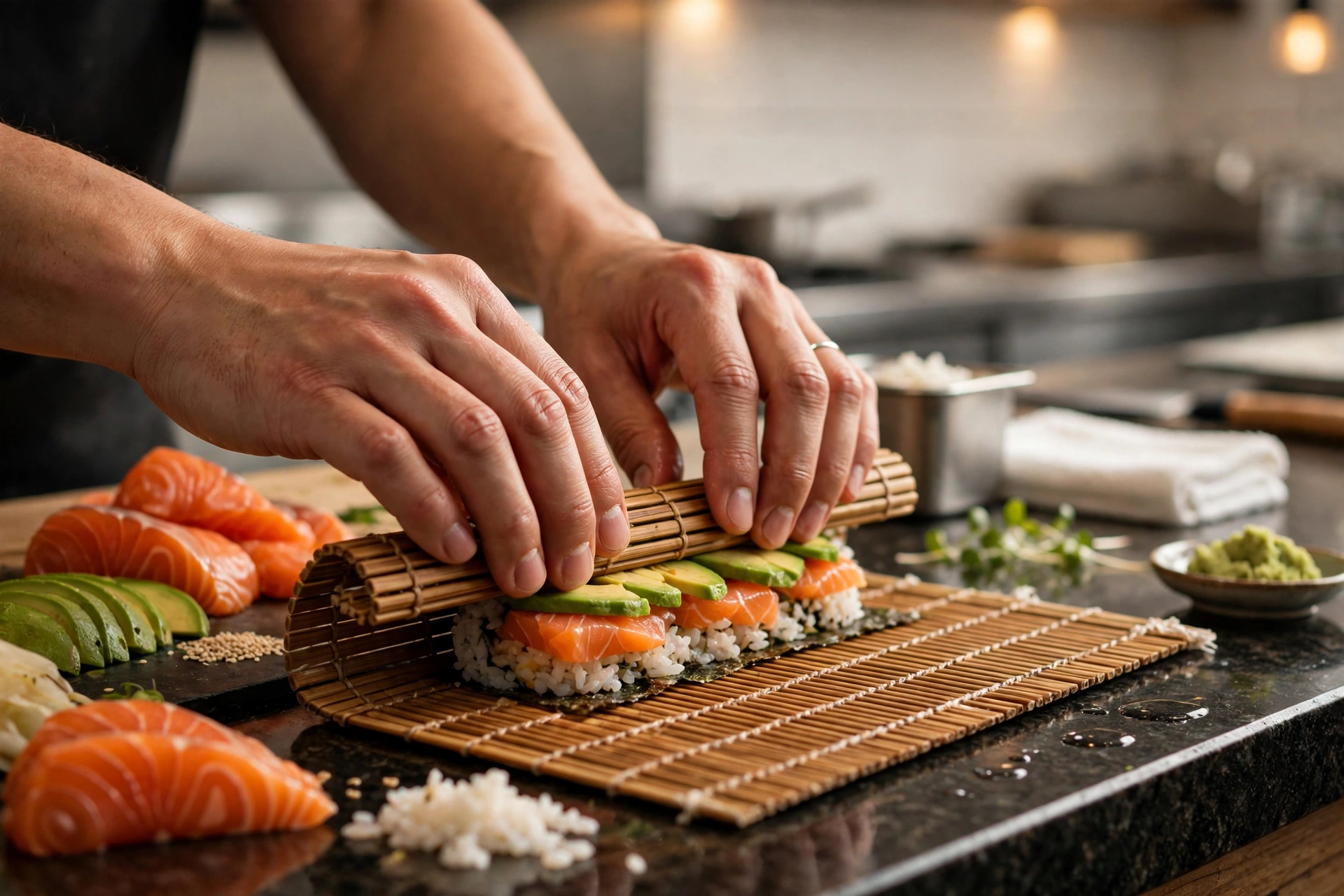
Ordering well at an AYCE sushi restaurant is a skill, and the difference between a great meal and a disappointing one often comes down to the order in which you eat. Start with the lighter, cleaner flavours, such as white fish nigiri and simple salmon or tuna pieces, because they let you taste the freshness of the fish without heavy sauces getting in the way. Move on to the signature rolls and the more interesting pieces in the middle of the meal, when your appetite is still strong, and save the deep-fried rolls and the mayonnaise-heavy specials for the end, if you order them at all, because they are filling and they dull your palate. Drink water or green tea between rounds, because it cleanses your palate and helps you taste each new piece properly.
It also pays to think about value, because not all sushi costs the restaurant the same, and the pieces that are most expensive to make are often the most rewarding to eat. Sashimi and nigiri give you the most fish for your money, while rolls are mostly rice, so a meal built around nigiri and sashimi is usually better value than a meal of rolls alone. Try the chef’s special rolls, because they show what the kitchen does best, but do not fill up on the same roll again and again, because the point of AYCE is to sample widely. If the menu includes miso soup, salad or edamame, treat them as a light start rather than a main course, because filling up on soup and salad wastes the fixed price on the cheapest items on the menu.
Is All You Can Eat Sushi Worth It?
All-you-can-eat sushi is worth it when you eat enough good sushi to beat the fixed price, and when the quality of the fish justifies the cost, but it is not worth it for everyone. If you can comfortably eat 25 to 30 pieces, including nigiri and sashimi, you will almost always get your money’s worth, because ordering that much à la carte would cost far more. If you only eat a small amount, or you prefer cooked rolls and appetisers, you will probably pay less by ordering à la carte, and you will enjoy the meal just as much. The honest test is simple: add up what you would order normally, compare it with the AYCE price, and choose whichever is cheaper for the way you actually eat.
Quality is the other half of the value question, because a cheap AYCE meal made with poor fish is worse value than a more expensive à la carte meal made with fresh fish. A good AYCE restaurant uses the same fresh fish for its unlimited menu as it does for its regular menu, and the sushi tastes just as good, while a poor one cuts corners on the AYCE menu and hopes you will not notice. Read reviews, look at the fish, and trust your own taste: if the salmon is bright, the rice is warm and seasoned, and the pieces are neatly made, the restaurant is worth your money. If the fish looks dull, the rice is cold and dry, and the rolls fall apart, no fixed price makes it a bargain.
All You Can Eat Sushi vs Ordering à la Carte
The choice between all-you-can-eat sushi and ordering à la carte comes down to appetite, curiosity and the occasion, and neither option is right for everyone. AYCE wins when you want to try many different things, when you are hungry enough to eat a lot, and when you are with friends who all want the same kind of meal, because the fixed price removes the worry about the bill and lets everyone order freely. À la carte wins when you want a small meal, when you know exactly what you like and do not want to experiment, and when you care more about the quality of a few perfect pieces than the quantity of many. A light eater who orders two rolls and a soup will always pay less à la carte, while a big eater who samples the whole menu will always save money with AYCE.
There is also a middle option that many restaurants offer without advertising it, which is to order a set meal or a chef’s selection, known as omakase in more traditional restaurants. A set meal gives you a fixed selection of the chef’s best pieces for a fixed price, and it can be better value than à la carte while offering higher quality than a typical AYCE menu. If you are celebrating a special occasion, or you want to try the best fish the restaurant has, ask the server about a set meal or a chef’s choice, because it is often the best food in the building. The right choice is the one that matches your appetite and your mood, and there is no shame in picking à la carte when AYCE does not suit the evening.
Tips for Getting the Most from AYCE Sushi
Getting the most from an all-you-can-eat sushi meal is less about eating as much as possible and more about eating well, and a few simple habits make a big difference. Go hungry but not starving, because arriving very hungry leads to ordering too much at once and wasting food, while arriving after a light snack helps you pace yourself. Order in small rounds of four to six pieces, finish each round before ordering the next, and take a short pause between rounds to let the flavours settle and to judge how full you are. Drink water or unsweetened green tea rather than soft drinks or alcohol, because sugary and alcoholic drinks fill you up quickly and dull your sense of taste.
Timing also matters, because the best AYCE sushi is found at the busiest times, when the fish is turning over quickly and the kitchen is at its sharpest. A weekday lunch is often quieter and cheaper than a Friday dinner, but the fish may have been prepared earlier in the day, while a busy weekend evening means fresher fish and a livelier atmosphere. Book ahead if the restaurant takes reservations, because the best AYCE spots fill up, and a reservation saves you waiting in line. Finally, remember that raw fish carries a small food safety risk, so choose restaurants with good hygiene ratings, and be extra careful if you are pregnant, elderly or have a weakened immune system, because the FDA advises these groups to avoid raw seafood. Fresh, well-handled sushi from a reputable restaurant is a joy, and a little care makes it a safe one too.
Conclusion
All you can eat sushi near me is a search that can lead to a wonderful meal or a disappointing one, and the difference comes down to the choices you make before and during the visit. Pick a restaurant with strong reviews for freshness, check the menu to see what the fixed price actually includes, and understand the rules on time limits and uneaten food before you sit down. Order in small rounds, start with the lighter fish, and save the heavy rolls for the end, so you taste the best of what the kitchen can do. If you eat enough good sushi, AYCE is excellent value, and if you eat lightly, à la carte may suit you better. Either way, a good sushi restaurant is worth finding, and the best one near you is the one that serves fresh fish, treats its customers well, and makes you want to come back.
How much does all you can eat sushi cost near me?
All-you-can-eat sushi usually costs 20 to 30 dollars per person at lunch and 30 to 45 dollars at dinner in most American cities, with premium restaurants in expensive cities charging 50 dollars or more. In the United Kingdom, lunch prices are often 18 to 25 pounds and dinner 25 to 35 pounds, with London at the top of the range. Children usually pay less, and drinks, tips and taxes are almost always extra, so the menu price is not the final price. When you compare prices, check what is included in the fixed price, whether sashimi is covered, and how long you get to eat, because the cheapest AYCE sushi is rarely the best value.
How long do you get at an all you can eat sushi restaurant?
Most all-you-can-eat sushi restaurants give you 60 to 90 minutes from the time you sit down, and the time limit is usually stated on the menu. The limit exists because the restaurant needs the table for the next party, and it is enforced politely by the staff. Some restaurants are stricter than others, so check the menu or ask the server when you arrive. To make the most of your time, order your first round quickly, order in small rounds rather than all at once, and avoid long pauses between rounds, because the clock keeps running while you wait.
What happens if I leave food uneaten at AYCE sushi?
Almost every all-you-can-eat sushi restaurant charges for uneaten food, usually one to two dollars per piece left on the plate, and the charge is stated on the menu. The rule exists because wasted sushi is wasted fish, which is expensive and disrespectful to the kitchen. The best way to avoid the charge is to order in small rounds, finish what you ordered before ordering more, and stop ordering when you are nearly full. If you are unsure about a dish, order one piece first to try it before ordering more, because that way nothing goes to waste.
Is all you can eat sushi safe to eat?
All-you-can-eat sushi from a reputable restaurant is generally safe, because the fish is handled under food safety rules and turned over quickly when the restaurant is busy. Raw fish does carry a small risk of foodborne illness, and the FDA advises pregnant women, young children, older adults and people with weakened immune systems to avoid raw seafood. Choose restaurants with good hygiene ratings, look for bright, fresh-looking fish and clean premises, and avoid any restaurant where the sushi looks dull or has been sitting out for a long time. Fresh, well-handled sushi from a busy, reputable restaurant is a low-risk pleasure for most healthy adults.
What is the best thing to order at AYCE sushi?
The best things to order at an AYCE sushi restaurant are nigiri and sashimi, because they give you the most fish for your money and show off the freshness of the kitchen. Start with lighter fish such as salmon and tuna, then try the chef’s special rolls, and save deep-fried or mayonnaise-heavy rolls for the end, because they are filling and dull your palate. Avoid filling up on soup, salad and rice-heavy rolls, because they are the cheapest items on the menu. Try a wide range rather than repeating the same roll, because sampling widely is the whole point of an all-you-can-eat meal.