Hair loss is one of the most emotionally challenging side effects of cancer treatment, but it is usually temporary for most people. Understanding what helps hair growth after chemo is essential for managing expectations and supporting recovery in a healthy way. Chemotherapy targets rapidly dividing cells, including hair follicles, which is why shedding often occurs during treatment. Once treatment ends, follicles gradually return to their natural growth cycle.


Recovery is not instant, and regrowth happens in stages that vary from person to person. Some individuals notice soft “peach fuzz” within weeks, while others take longer to see visible improvement. Learning what helps hair growth after chemo allows patients to focus on safe habits, proper nutrition, and gentle care routines that support the scalp during this sensitive rebuilding phase.
how hair regrowth works after chemotherapy
Hair growth follows a natural cycle made up of growth, rest, and shedding phases. Chemotherapy interrupts this cycle by forcing follicles into a resting state, which leads to hair loss. Once treatment stops, the body slowly reactivates these follicles, allowing new strands to emerge. This early regrowth is often finer, softer, and sometimes a different texture than before.
Understanding what helps hair growth after chemo involves recognising that follicles need time to reset. Factors such as treatment type, dosage, age, and overall health all influence regrowth speed. While some people see improvement within four to six weeks, others may need several months before noticeable thickening occurs. Patience is essential during this natural recovery process.
medical treatments that may support regrowth
In some cases, dermatological treatments can help stimulate hair follicles after chemotherapy. One commonly discussed option is minoxidil, a topical solution that may encourage growth in certain individuals. However, it is not suitable for everyone and should only be used under medical supervision. Doctors may recommend it depending on scalp condition and overall recovery progress.
When exploring what helps hair growth after chemo, it is important to avoid self-prescribing treatments without guidance. Medical professionals may also suggest supportive therapies such as scalp treatments or specialised care routines. These approaches aim to create a healthy environment for follicles to recover naturally while minimising irritation and sensitivity.
nutrition and diet for stronger hair recovery
A balanced diet plays a major role in restoring hair health after chemotherapy. Protein is especially important because hair is made primarily of keratin, a protein-based structure. Foods like eggs, fish, lentils, and lean meats help supply the body with essential building blocks needed for regrowth and repair.
Another key part of what helps hair growth after chemo is maintaining adequate levels of vitamins and minerals. Iron, zinc, biotin, and vitamin D all contribute to healthy follicle function. Eating a variety of fruits, vegetables, and whole grains supports overall recovery, while hydration helps maintain scalp health and circulation, both of which are essential for regrowth.
gentle scalp care and daily hair routines
After chemotherapy, the scalp is often sensitive and requires extra care to avoid damage. Using mild, sulphate-free shampoos and lukewarm water helps protect newly forming hair. Harsh products, strong chemicals, or frequent washing can irritate the scalp and slow down the natural regrowth process, making gentle care extremely important.
One of the most practical aspects of what helps hair growth after chemo is adopting a simple and consistent routine. Avoiding heat styling tools, chemical dyes, and tight hairstyles reduces stress on fragile follicles. Light scalp massages may also improve blood circulation, helping nutrients reach the hair roots more effectively and supporting gradual recovery.
emotional wellbeing during hair regrowth
Hair regrowth after chemotherapy is not only a physical process but also an emotional journey. Many individuals experience anxiety or frustration during the early stages when hair appears uneven or slow to return. Accepting this process as gradual rather than immediate can help reduce stress and support mental wellbeing during recovery.
Understanding what helps hair growth after chemo also involves emotional resilience. Support from family, friends, or support groups can make a significant difference. Many people use wigs, scarves, or hats during early regrowth to feel more comfortable. Confidence often improves naturally as hair begins to thicken and regain its normal appearance over time.
timeline of hair regrowth after chemotherapy
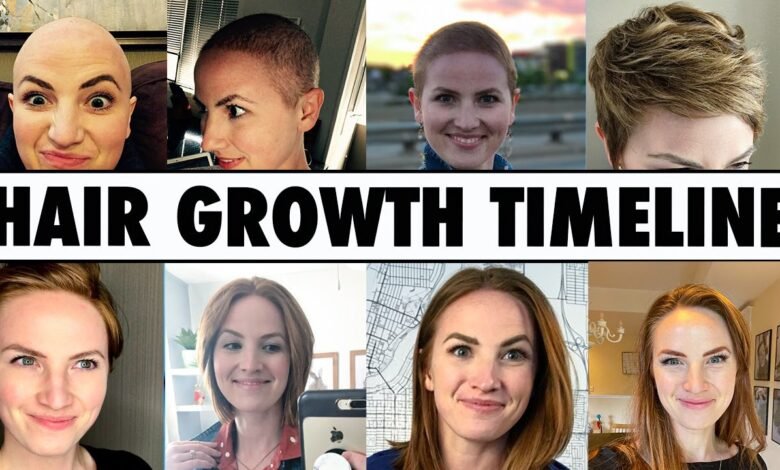
The timeline for hair regrowth varies, but most people begin to notice early signs within a few weeks after treatment ends. Initially, the hair may appear soft, thin, or uneven. Over the next few months, it gradually becomes stronger and denser as follicles regain their full function and stability.
When considering what helps hair growth after chemo, it is important to understand that full recovery can take up to a year. Some individuals may experience changes in texture or curl pattern, often referred to as “chemo curls.” These changes are usually temporary as the hair continues to mature and stabilise.
common mistakes that can slow regrowth
One common mistake during recovery is using harsh hair treatments too early. Chemical dyes, bleach, and heat styling tools can weaken new strands and irritate the scalp. Another mistake is expecting immediate results, which can lead to unnecessary frustration and discouragement during a naturally slow healing process.
Part of what helps hair growth after chemo is avoiding misinformation and unproven remedies. Overusing supplements or applying random products without medical advice may do more harm than good. A consistent, gentle routine supported by proper nutrition and professional guidance is far more effective in promoting healthy regrowth.
when to seek medical advice
While most people experience natural regrowth after chemotherapy, some may require additional support. If there is no visible improvement after several months or if scalp irritation persists, it is important to consult a healthcare professional. Early evaluation can help identify any underlying issues affecting recovery.
Understanding what helps hair growth after chemo also includes knowing when professional intervention is needed. Dermatologists can assess scalp health and recommend appropriate treatments if necessary. In rare cases where regrowth is delayed, tailored medical support can help improve outcomes and provide reassurance during recovery.
conclusion
Hair recovery after chemotherapy is a gradual journey that requires patience, care, and consistency. Understanding what helps hair growth after chemo empowers individuals to make informed choices about nutrition, scalp care, and lifestyle habits that support natural regrowth. While progress may feel slow at times, improvement typically occurs steadily over months.
Ultimately, what helps hair growth after chemo is a combination of gentle care, balanced nutrition, emotional support, and medical guidance when needed. Every recovery journey is unique, but with time and the right approach, most people experience meaningful regrowth and a return to confidence in their appearance.