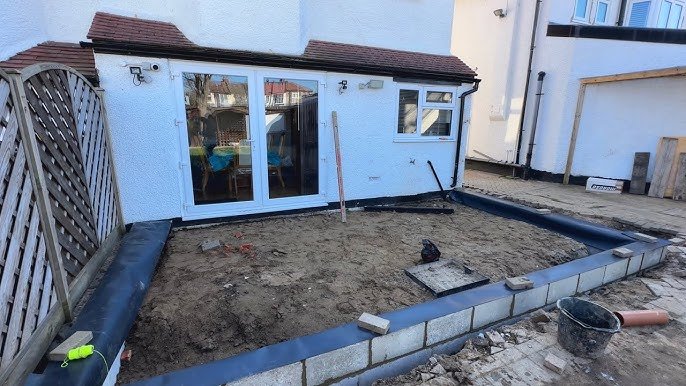
Timber frame extension foundations are a crucial part of any successful home extension project in the UK. While timber frame construction is known for being lightweight and efficient, the foundations beneath it carry the real responsibility of ensuring structural stability. Without properly designed groundwork, even the best-built extension can suffer from movement, cracking, or long-term damp issues that affect the entire building.


When planning timber frame extension foundations, homeowners must consider soil type, drainage, and structural load requirements from the very beginning. In the UK, building conditions vary widely, meaning there is no one-size-fits-all approach. Proper planning ensures that timber frame extension foundations provide a strong, stable base that supports both safety and longevity.
What Are Timber Frame Extension Foundations
Timber frame extension foundations refer to the below-ground structural system that supports a timber-framed extension. These foundations are designed to transfer the load of the building safely into the ground, ensuring stability over time. Even though timber is lighter than brick or block, the foundation still plays a vital role in preventing movement and settlement.
In most UK projects, timber frame extension foundations are engineered according to ground conditions rather than building weight alone. This means a structural engineer will assess soil strength, moisture levels, and environmental factors before deciding the most suitable foundation design. Without this step, long-term performance of the extension could be seriously compromised.
Main Types of Timber Frame Extension Foundations
There are several common systems used for timber frame extension foundations across the UK. The most widely used is trench fill foundations, where concrete is poured into deep trenches to create a strong, continuous base. This method is popular due to its simplicity, reliability, and suitability for a wide range of soil conditions.
Other options include strip foundations, raft foundations, and piled systems. Strip foundations use reinforced concrete and blockwork, while raft foundations spread the load across a large slab, ideal for weaker soils. Piled foundations are used in more complex ground conditions where standard timber frame extension foundations would not provide enough stability.
Soil Conditions and Site Considerations
Soil conditions have a major influence on the performance of timber frame extension foundations. Clay soils, for example, expand and contract with moisture changes, which can lead to ground movement. Sandy or chalky soils behave differently, often requiring alternative engineering solutions to maintain long-term structural integrity.
Before construction begins, a soil investigation is typically carried out. This helps determine bearing capacity, drainage performance, and potential risks such as tree root interference. For timber frame extension foundations, understanding site conditions is essential, as poor soil analysis can lead to structural issues and costly remedial work in the future.
Foundation Depth Requirements in the UK
The depth of timber frame extension foundations is determined by more than just the weight of the structure. In the UK, regulations require foundations to be placed below frost level and on stable, load-bearing ground. This ensures the structure remains secure through seasonal changes and soil movement.
For single-storey projects, timber frame extension foundations may not need to be extremely deep if the ground conditions are stable. However, in areas with clay or poor soil quality, deeper excavation is often necessary. Proper depth ensures the extension remains stable and avoids issues such as subsidence or cracking over time.
Costs of Timber Frame Extension Foundations
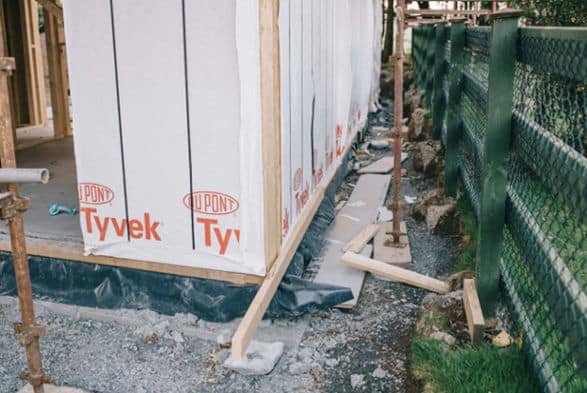
The cost of timber frame extension foundations can vary significantly depending on site conditions and foundation type. Trench fill foundations are generally the most cost-effective option, while raft and piled systems tend to be more expensive due to additional materials and specialist labour requirements.
Homeowners should also factor in hidden costs such as excavation, waste removal, and engineering reports. Although some may search for cheap timber frame extension foundations, reducing costs without proper design can lead to serious structural risks. Investing in correct foundations ensures long-term durability and avoids expensive repairs later.
Building Regulations and Structural Compliance
In the UK, timber frame extension foundations must comply with strict building regulations to ensure safety and structural integrity. A structural engineer is usually required to design or approve the foundation system, taking into account soil conditions, load distribution, and environmental factors.
Building control inspections are carried out at key stages, including excavation and concrete pouring. These checks ensure that timber frame extension foundations meet required standards. Moisture protection and damp proofing are also essential to protect the timber structure above ground and prevent long-term deterioration.
Conclusion
Timber frame extension foundations are one of the most important elements in any extension project, as they provide the essential support required for long-term stability. While timber frames are lightweight and efficient, the foundation beneath them must still be carefully designed to match ground conditions and regulatory standards.
By choosing the correct system and ensuring proper engineering input, homeowners can achieve safe and durable results. Well-designed timber frame extension foundations not only improve structural performance but also protect the value of the property for many years to come.