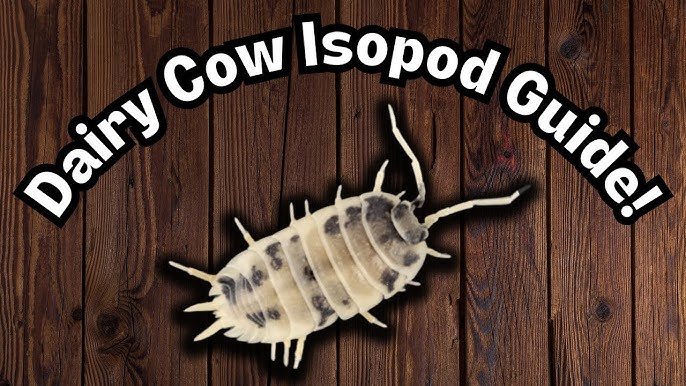
Dairy cow isopods are one of the most recognisable and beginner-friendly species in the bioactive terrarium hobby, valued for their bold black-and-white pattern and efficient clean-up behaviour. Dairy cow isopods are widely kept across the UK due to their adaptability, fast breeding, and ability to thrive in simple indoor setups without specialist equipment or advanced husbandry skills.


In the world of terrarium ecosystems, dairy cow isopods play a vital role in breaking down organic waste and recycling nutrients back into the substrate. These small detritivores help maintain cleaner environments for reptiles and amphibians, making them an essential addition to many bioactive enclosures. Their active nature and visible behaviour also make them enjoyable to observe daily.
Natural Habitat and Origin
In their natural environment, dairy cow isopods are typically found in moist, sheltered habitats such as forest floors, under logs, and within deep layers of decaying leaf litter. These environments provide constant access to organic material, stable humidity, and protection from predators, allowing them to thrive as efficient decomposers within the ecosystem.
Over time, dairy cow isopods have adapted extremely well to captivity, which is why they are now widely available in the pet trade. Their ability to survive in varied conditions has made them a staple species for hobbyists who want a reliable clean-up crew. This adaptability is one reason dairy cow isopods are so popular in UK terrarium keeping.
Appearance and Size
Dairy cow isopods are medium to large isopods that stand out due to their striking white bodies covered in irregular black markings. This distinctive pattern makes them easy to identify among other species and adds visual interest to any terrarium setup. Adults are particularly active and often visible on the surface during feeding times.
Juvenile dairy cow isopods start off smaller and more translucent before gradually developing their signature pattern as they mature. Their size increases steadily under good conditions, and fully grown individuals become robust and energetic. This growth process makes them fascinating to observe, especially in well-established colonies with multiple generations present.
Enclosure Setup and Habitat Requirements
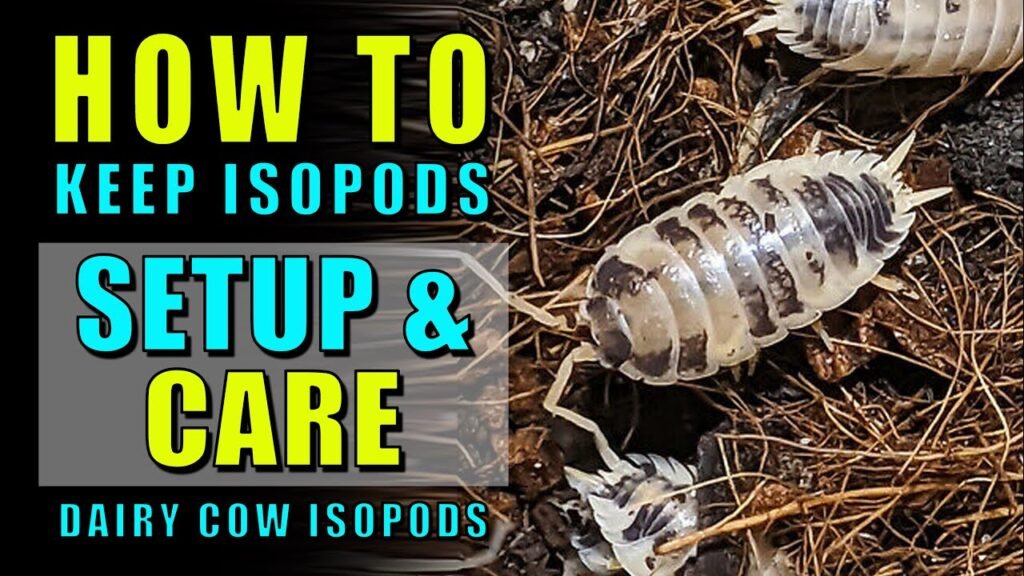
Creating a suitable enclosure for dairy cow isopods involves replicating their natural environment as closely as possible. A substrate mix of coco fibre, leaf litter, and decaying wood provides both nutrition and shelter. A well-structured habitat allows dairy cow isopods to burrow, hide, and feed naturally, which supports long-term colony stability.
Proper ventilation is equally important to prevent excess moisture buildup and mould growth. Dairy cow isopods thrive in environments with a balance of damp and dry areas, allowing them to self-regulate their moisture needs. Adding bark pieces, moss, and leaf layers enhances habitat complexity and encourages natural behaviour patterns.
Temperature and Humidity Care
Maintaining correct temperature and humidity levels is essential for healthy dairy cow isopods. They generally prefer moderate temperatures similar to typical indoor UK conditions, making them easy to keep year-round. However, sudden drops or extreme heat can stress colonies and slow down breeding activity significantly.
Humidity should be managed carefully by misting one side of the enclosure while keeping the other slightly drier. This gradient allows dairy cow isopods to choose their preferred environment within the tank. Consistent moisture levels support moulting, reproduction, and overall colony health, ensuring long-term stability.
Feeding and Diet
Dairy cow isopods are detritivores, meaning they primarily feed on decomposing organic matter such as leaf litter and rotting wood. This natural diet should form the foundation of their nutrition in captivity. Providing a constant supply of organic material ensures that dairy cow isopods remain active and healthy.
In addition to their base diet, dairy cow isopods benefit from supplementary foods such as vegetables and protein sources. Foods like fish flakes or dried shrimp can enhance growth and breeding rates. Calcium supplementation is also essential for strong exoskeleton development and successful moulting cycles.
Breeding and Colony Growth
Breeding in dairy cow isopods is fast and efficient when conditions are ideal, making them one of the most productive isopod species available. Females carry developing eggs in a brood pouch before releasing fully formed juveniles, allowing colonies to expand rapidly without complex breeding requirements.
Because dairy cow isopods reproduce so efficiently, populations can grow quickly in a short period of time. This makes them ideal for bioactive systems but also means monitoring is necessary to prevent overcrowding. Stable humidity, consistent feeding, and warm conditions all contribute to successful colony expansion.
Compatibility in Bioactive Setups
Dairy cow isopods are widely used in bioactive terrariums due to their ability to break down waste and improve substrate quality. They are particularly effective in reptile and amphibian enclosures, where they help reduce mould, uneaten food, and organic waste accumulation, supporting a cleaner ecosystem overall.
They are commonly kept alongside species such as geckos, frogs, and other small reptiles without issue. However, it is important to ensure the enclosure is large enough to support both the host animal and the isopod colony. When balanced correctly, dairy cow isopods significantly enhance the stability of bioactive habitats.
Buying Dairy Cow Isopods in the UK
When searching for dairy cow isopods in the UK, hobbyists will find them widely available from specialist invertebrate breeders and reptile stores. Prices are generally affordable, making them accessible for beginners who are just starting their first bioactive setup or expanding an existing terrarium ecosystem.
It is important to choose healthy, active colonies when purchasing dairy cow isopods to ensure long-term success. A small starter group is usually enough to establish a thriving population over time. With proper care and environment setup, they quickly adapt and begin reproducing within their new enclosure.
Conclusion
Dairy cow isopods remain one of the most reliable and rewarding species for bioactive terrarium enthusiasts due to their hardiness, adaptability, and rapid breeding cycle. Their ability to thrive in simple setups makes them ideal for both beginners and experienced keepers looking to maintain a natural ecosystem.
With correct care, stable humidity, and a balanced diet, dairy cow isopods will continue to grow and support enclosure cleanliness for long periods. Their usefulness as a clean-up crew and their fascinating behaviour ensure they remain one of the most popular isopod species in the UK hobby.