
The Aylesbury Estate is one of the most recognised housing developments in South East London, located within the borough of Southwark. It has played a major role in shaping conversations around council housing, urban design, and regeneration in the UK. Over time, the Aylesbury Estate has become both a landmark and a case study in how large-scale housing projects evolve.


The Aylesbury Estate continues to attract attention due to its ongoing transformation and historical importance. Once seen as a model for modern living, it now represents a complex mix of past challenges and future ambition. Today, discussions about the Aylesbury Estate focus heavily on redevelopment, community change, and long-term urban planning strategies.
History of Aylesbury Estate
The Aylesbury Estate was developed during the 1960s and 1970s as part of a wider effort to replace outdated housing conditions in London. It was designed to provide improved living standards, with spacious flats and modernist architecture influenced by post-war planning ideals. At its peak, the Aylesbury Estate housed thousands of residents in one of Europe’s largest council housing schemes.
However, over the decades, the Aylesbury Estate began to face significant challenges. Maintenance issues, changing social conditions, and design limitations contributed to a gradual decline in its reputation. While it was originally celebrated, the Aylesbury Estate became widely associated with urban deprivation, leading to long-term discussions about redevelopment.
Location and Urban Context
The Aylesbury Estate is situated in Walworth, within Southwark in South East London, and is closely linked to the Elephant and Castle regeneration area. Its location places it within one of the most rapidly changing districts in London, making it a key focus for urban redevelopment and infrastructure improvement projects.
With the SE17 postcode, the Aylesbury Estate benefits from strong transport connections and proximity to central London. This accessibility has increased interest in the area, especially as regeneration continues. The surrounding environment of the Aylesbury Estate is now undergoing major transformation, aligning it with wider improvements across Southwark.
Crime and Social Perception
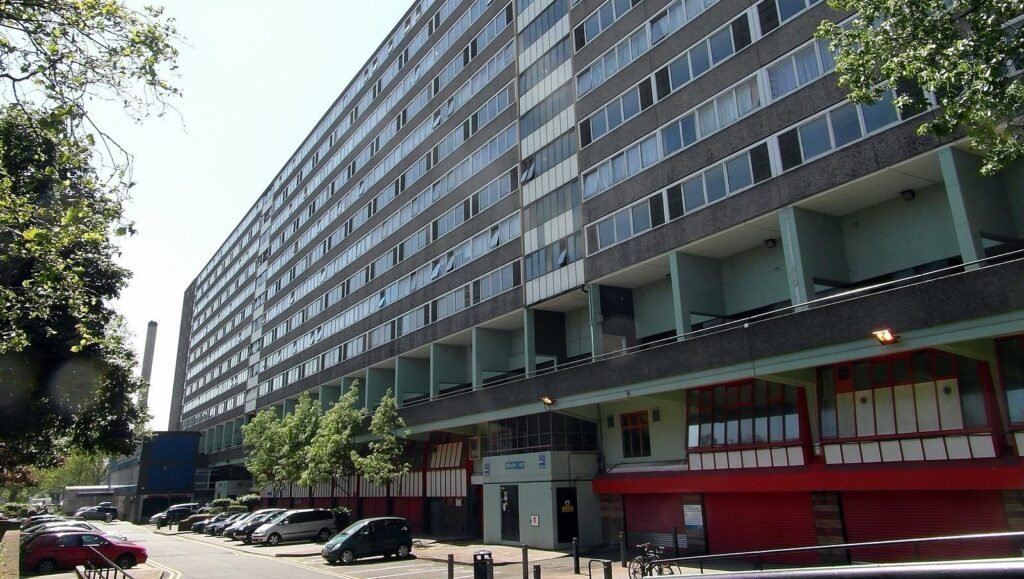
The Aylesbury Estate has often been associated with crime and social challenges, particularly during the late 20th century. Media narratives contributed to a strong public perception of the estate as a deprived and unsafe area. These issues were shaped by broader economic conditions, housing design, and long-term underinvestment.
Despite this, the lived reality of the Aylesbury Estate has always been more nuanced. Many residents developed strong communities and long-lasting social ties. Today, regeneration efforts aim to address both physical infrastructure and social perception, helping to reshape how the Aylesbury Estate is viewed across London and beyond.
Regeneration and Redevelopment Plans
The regeneration of the Aylesbury Estate is one of the most ambitious housing redevelopment projects in London. Led by Southwark Council and development partners, the plan involves phased demolition of outdated blocks and the construction of new mixed-tenure housing. The Aylesbury Estate is being redesigned to support modern living standards and improved community infrastructure.
The Aylesbury Estate regeneration project includes thousands of new homes, green spaces, and public facilities. The aim is to create a balanced neighbourhood with social, affordable, and private housing options. As redevelopment continues, the Aylesbury Estate is gradually being reshaped into a more sustainable and inclusive urban environment.
Aylesbury Estate Now
Today, the Aylesbury Estate exists as a transitional space, where old structures stand alongside new developments under construction. Large sections have already been cleared, while new housing phases are being built. The current state of the Aylesbury Estate reflects an ongoing shift from its historical form to a modern urban district.
Life on the Aylesbury Estate continues during this transformation, with remaining residents living alongside construction activity. The regeneration process is being carefully phased to ensure continuity for the community. As a result, the Aylesbury Estate now represents both continuity and change within Southwark’s wider redevelopment plan.
Property Market and Estate Agents
The Aylesbury Estate and its surrounding SE17 area have become increasingly relevant in London’s property market. As regeneration progresses, demand for housing in nearby locations has grown. Estate agents operating in the area have seen increased interest from buyers and renters attracted by long-term development potential.
Aylesbury Estate estate agents are actively involved in promoting both rental and sales opportunities around the regeneration zone. Although the estate itself is still undergoing redevelopment, surrounding properties are gaining attention. This has positioned the Aylesbury Estate as a key reference point for housing investment discussions in Southwark.
Future of Aylesbury Estate
The future of the Aylesbury Estate is closely tied to London’s broader housing strategy. By 2025 and beyond, the area is expected to feature a completely transformed urban layout with modern housing, improved public spaces, and better infrastructure. The Aylesbury Estate regeneration aims to create a more balanced and sustainable community.
Long-term plans suggest that the Aylesbury Estate will become a model for mixed-tenure redevelopment in London. As construction progresses, the area will continue to evolve, reflecting new approaches to urban planning. The Aylesbury Estate is set to move away from its historical challenges and towards a renewed identity.
Conclusion
The Aylesbury Estate stands as a powerful example of how urban environments change over time. From its origins as a large-scale council housing project to its current regeneration phase, it reflects both the ambitions and difficulties of modern city planning. The Aylesbury Estate continues to play a central role in shaping discussions about housing in London.
As redevelopment continues, the Aylesbury Estate is expected to become a modern, inclusive neighbourhood. While its history remains an important part of its identity, the future points towards renewal and opportunity. The transformation of the Aylesbury Estate highlights the ongoing evolution of Southwark and the wider London housing landscape.